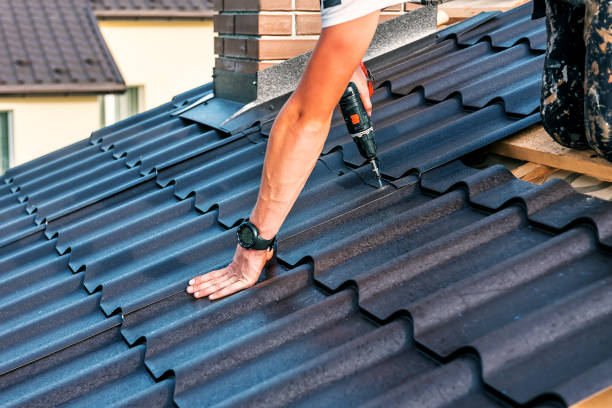
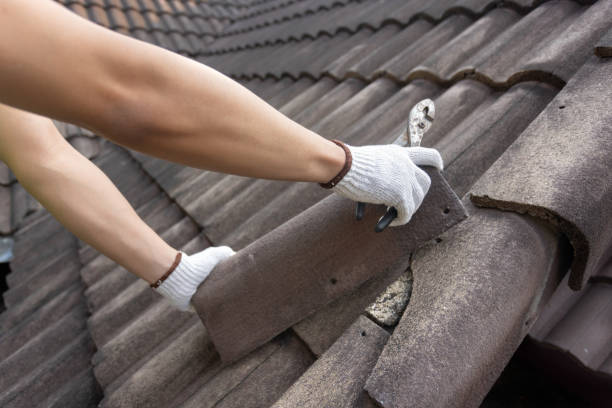
Roofs are the first line of defense for any home or building, shielding it from the elements. However, harsh weather conditions can take a toll on their structural integrity and lifespan. Understanding these weather factors enables homeowners to take preventive measures, ensuring their roofs remain durable and functional over time. Below are some of the most impactful weather conditions that can affect your roof.
1. Heavy Rain and Prolonged Moisture
Excessive rainfall can compromise your roof’s structural strength, especially if it’s not adequately maintained.
Common issues caused by heavy rain include:
– Leaks: Water seeping through cracks or damaged shingles can lead to interior damage.
– Moss and Mold Growth: Prolonged exposure to moisture creates a breeding ground for moss, algae, and mold.
– Rotting Wood: Wooden structures under the roofing material may begin to weaken due to rot.
Prevention Tip: Regular inspections for leaks or water pooling on flat roofs can help mitigate these issues.
2. High Winds
Strong winds have the potential to lift shingles, loosen flashing, or even tear off entire sections of roofing materials. This is particularly problematic for homes in hurricane-prone areas or regions that experience tornadoes.
Signs of Wind Damage:
– Missing shingles or tiles
– Curling edges on asphalt shingles
– Damaged chimney flashing
Prevention Tip: Reinforce your roof with wind-resistant materials like metal panels or impact-resistant shingles where possible.
3. Hailstorms
Hailstones vary in size but even small ones can cause significant damage to roofing materials over time. Asphalt shingle roofs are particularly vulnerable as hailstones often leave behind punctures or dents.
Key indicators of hail damage:
– Circular spots where granules are missing from shingles
– Dents in gutters and downspouts
Using impact-resistant Class 4-rated roofing materials is a good way to minimize hail-related issues.
4. Snow and Ice Accumulation
In colder climates, snow and ice accumulation present unique challenges for roofs:
– Ice Dams: These form when melting snow refreezes at the edge of your roof, preventing proper drainage.
– Weight Stress: Heavy layers of snow can strain the roofing structure and cause sagging over time.
– Freeze-Thaw Cycles: Repeated freezing and thawing can lead to cracks in shingles or tiles.
Prevention Tip: Install proper insulation in your attic space and use heating cables along eaves to reduce ice dam formation.
5. Ultraviolet (UV) Rays from Prolonged Sun Exposure
Over time, intense sunlight degrades roofing materials—particularly asphalt shingles—causing them to dry out, crack, or fade in color. UV rays accelerate wear-and-tear, which reduces the overall lifespan of your roof.
Protective Measures Include:
– Applying reflective coatings designed specifically for UV protection
– Installing lighter-colored roofs that reflect more sunlight
Summary Table: Major Weather Impacts on Roofing
| Weather Condition | Key Risks | Suggested Prevention Methods |
| Heavy Rain | Leaks, mold growth | Regular inspections; repair damaged areas |
| High Winds | Lifted/damaged shingles | Use wind-resistant materials |
| Hailstorms | Punctured/dented surfaces | Install impact-resistant Class 4-rated materials |
| Snow & Ice | Ice dams, sagging | Insulate attic; use heating cables |
| Intense Sunlight | Cracked/dry shingles | Apply reflective coatings |
Maintaining a resilient roof begins with understanding how different weather conditions impact its performance over time. Regular maintenance checks combined with appropriate protective measures will help ensure longevity even under harsh environmental conditions.
How Extreme Temperatures Affect Commercial Roofing Services Phoenix AZ
Extreme temperatures can have significant effects on roofing materials, installation processes, and the long-term performance of a roof. Whether it’s blistering heat in the summer or freezing cold in the winter, temperature extremes require careful consideration during any roofing project to ensure durability and functionality.
How High Temperatures Impact Roofs: Insights from a Phoenix Arizona Commercial Roofing Company
- Material Degradation: Excessive heat can cause certain roofing materials to warp or expand. For instance:
- Asphalt shingles may soften, leading to premature wear.
- Metal roofs may expand, affecting fasteners and seams.
- Adhesive Issues: Many roofing adhesives require specific temperature ranges for proper curing. Extreme heat can cause adhesives to fail or lose their bonding strength.
- Safety Risks for Workers: High temperatures can increase fatigue and dehydration for contractors working under direct sunlight, impacting productivity and safety.
Tips for Managing Roofing Projects in Hot Weather
- Schedule work early in the morning or late afternoon to avoid peak heat hours.
- Use reflective coatings or cool roofing options to minimize heat absorption.
- Ensure that contractors have access to hydration breaks and shade.
Cold Weather Challenges for Roofing Projects
- Brittle Materials: Shingles and other materials become more brittle in cold weather, increasing the risk of cracking during installation.
- Adhesive Setbacks: Cold conditions slow down adhesive curing times, making it difficult to achieve a secure bond.
- Ice Formation: Ice buildup on roofs creates slippery surfaces that increase safety risks for workers.
Tips for Managing Roofing Projects in Cold Weather
- Store materials indoors until they are ready for use to maintain flexibility.
- Use specialized cold-weather adhesives designed for low-temperature applications.
- Clear any ice or snow from work areas before starting the project.
Temperature Fluctuations and Their Long-Term Impact
| Temperature Effect | Potential Impact on Roof |
| Expansion & Contraction | Causes stress on seams, fasteners, and flashing. |
| Condensation Formation | Leads to moisture buildup beneath the roof surface. |
| Thermal Shock | Sudden temperature changes may crack brittle materials like tiles or aged shingles. |
To combat these issues: – Choose high-quality materials designed to withstand extreme climate conditions. – Perform regular inspections to identify early signs of wear due to thermal stress.
Why Professional Expertise Matters
Extreme temperatures demand expertise when planning and executing a roofing project. Certified roofing contractors possess knowledge about material suitability, application techniques, and proper installation under challenging weather conditions. Their expertise ensures your roof is built not only to withstand current conditions but also remain durable over time.
By understanding how extreme temperatures influence your roofing project—both during installation and throughout its lifespan—you can make informed decisions that protect your investment while ensuring long-lasting results.
How to Get Started with a Free Roofing Estimate for Your Home
When it comes to maintaining or replacing your roof, understanding the financial commitment is crucial. A free roofing estimate offers a transparent overview of costs and helps you plan your budget effectively. Here’s how you can get started with a free roofing estimate for your home.
Benefits of a Free Roofing Estimate
- Understanding Costs: Get a clear idea of material and labor costs upfront.
- Customized Solutions: Tailored recommendations based on your roof’s unique needs.
- Comparing Contractors: Assess pricing and services from multiple contractors before making a decision.
- Avoiding Surprises: Gain an accurate picture of expenses, reducing unexpected charges during the project.
Steps to Requesting a Free Roofing Estimate
- Research Local Roofing Contractors
Look for reputable, certified professionals in your area who offer free estimates. Online reviews, referrals, and ratings from organizations like the Better Business Bureau can help identify trustworthy contractors. - Contact the Contractor
Reach out via phone, email, or online forms provided on their website. Be prepared to share basic details like the type of roofing material you currently have and an overview of any issues you’re facing. - Schedule an On-Site Inspection
Most professional contractors will schedule a visit to assess the condition of your roof in person. During this inspection, they’ll evaluate factors such as: - Size and dimensions of the roof
- Existing damage (e.g., leaks, missing shingles)
- Roof type (flat, pitched, etc.)
- Review Your Estimate Report
Once the inspection is complete, you’ll receive an itemized report breaking down materials, labor costs, timelines, and more.
Questions to Ask During Your Estimate
- What materials are best suited for my home?
- How long will the project take from start to finish?
- Are there any additional fees not listed in this estimate?
- Do you offer warranties on materials or workmanship?
What Should Be Included in Your Estimate?
| Section | Details |
| Materials Cost | Price breakdown for shingles, underlayment, flashing, etc. |
| Labor Charges | Estimated hours required and associated costs |
| Additional Services | Inspections post-completion or clean-up charges |
| Timeline | Start date to completion date estimation |
| Warranty Details | Description of coverage offered by manufacturer/contractor warranties |
By following these steps and reviewing all details provided during the estimating process carefully, you’ll be well-prepared to move forward with your roofing project confidently while staying within budget parameters.
Comprehensive Overview of Phoenix Commercial Roofing Contractor Services
SW Commercial Roofing Of Phoenix
3428 N 15th Ave, Phoenix, AZ 85015
(480) 447-7580
A professional roofing contractor offers a wide range of services to ensure your roof remains durable, functional, and aesthetically pleasing. Whether you’re dealing with a minor repair or planning a complete roof replacement, understanding the scope of services provided by roofing contractors can help you make informed decisions.
Key Services Offered by Roofing Contractors
- New construction projects often require expert installation of roofing systems tailored to the building’s design and climate needs.
- Asphalt Shingles
- Metal Roofing
- Slate Tiles
- Clay or Concrete Tiles
- Addressing damage caused by storms, wear and tear, or aging materials.
- Fixing leaks and patching holes.
- Replacing broken or missing shingles.
- Repairing damaged flashing around chimneys, vents, and skylights.
- Comprehensive inspections to identify potential problems early.
- Includes assessment of structural integrity, water damage risks, and ventilation efficiency.
- Routine maintenance helps prolong the life of your roof.
- Cleaning gutters to prevent water pooling.
- Removing debris from the roof surface.
- Treating moss or algae growth.
- When repairs are no longer sufficient, contractors can replace the entire roofing system.
- This service includes removal of the old roof, installation of underlayment, and application of new materials.
- Available for urgent issues such as storm damage or severe leaks that require immediate attention to prevent further property damage.
Specialized Roofing Services
- Energy-Efficient Roof Solutions: Installing reflective coatings or energy-efficient materials to reduce cooling costs.
- Commercial Roofing: Expertise in flat roofs, membrane systems (EPDM or TPO), and other commercial-grade solutions.
- Skylight Installation: Installing skylights for natural lighting while ensuring proper sealing around openings.
Benefits of Hiring Professional Contractors
| Benefit | Description |
| Expertise | Professionals offer knowledge about various roofing systems and materials. |
| Safety | Proper equipment and training reduce risks during installations or repairs. |
| Warranty Coverage | Many contractors provide warranties on labor and materials used in projects. |
| Time Efficiency | Faster completion compared to DIY approaches due to skillset and experience. |
Why Proper Documentation Matters
- Detailed estimates outlining material costs and labor charges.
- Contracts specifying project timelines and scope of work.
- Warranties that guarantee workmanship quality over time.
Hiring a professional contractor not only ensures high-quality results but can also save you money by preventing costly mistakes down the line. Always take time to review their credentials, references, licenses, and insurance coverage before hiring any contractor for your home’s roofing needs.
Recognizing the Importance of Hiring Certified Roofing Experts
When it comes to maintaining, repairing, or replacing your roof, hiring a certified roofing expert is more than just a preference—it’s a necessity. Your roof plays a critical role in protecting your home, ensuring energy efficiency, and enhancing curb appeal. Entrusting this vital component of your property to someone unqualified can lead to subpar workmanship, costly repairs down the line, and safety hazards.
Why Certification Matters
- Knowledge and Training: Certified professionals stay up-to-date with the latest industry trends, building codes, and safety standards.
- Manufacturer Endorsement: Many certifications indicate that the contractor has been approved to install certain materials according to manufacturer guidelines. This often qualifies homeowners for extended warranties on products used.
- Accountability: Certified contractors follow established ethical standards and are more likely to deliver quality service while adhering to timelines.
Benefits of Hiring Certified Roofing Experts
- High-Quality Workmanship: A certified roofer has the skills required for proper installation or repair practices that enhance your roof’s durability.
- Warranty Protection: Many manufacturers offer enhanced warranties that only apply when their materials are installed by certified professionals.
- Enhanced Safety Protocols: Roofing can be dangerous work. Certified experts are trained on safety measures that protect not only themselves but also residents and property during the project.
- Compliance with Building Codes: A certified professional is familiar with local building regulations, reducing risks of fines or legal troubles related to improper installations.
How To Identify A Certified Roofing Expert

- Ask for Certifications: Request documentation proving their certifications from reputable manufacturers or associations such as GAF Master Elite®, Owens Corning Preferred Contractor Program, or NRCA (National Roofing Contractors Association).
- Check Licensing Requirements: Ensure they hold valid local licenses required for roofing projects in your area.
- Confirm Insurance Coverage: Verify they carry both liability insurance and workers’ compensation coverage.
- Look for Reviews and References: Check online reviews or speak directly with past clients about their experience working with the contractor.
| Credential Type | What It Ensures | Example Providers |
| Manufacturer Certification | Expertise in handling specific products | GAF Master Elite®, CertainTeed |
| Professional Association Membership | Adherence to industry best practices | NRCA (National Roofing Contractors Association) |
| State/Local Licensing | Compliance with local laws | Issued by state/local authorities |
Red Flags When Hiring Roofers
- Lack of proper licensing or certification
- No insurance coverage
- Requesting large payments upfront
- Poor reputation reflected through negative reviews
By prioritizing certification when selecting a roofer, you’re making an informed decision that protects both your home and investment while ensuring long-term satisfaction with the work completed.
Common Roof Problems That Require Expert Roofing Contractors
Your roof is a critical component of your home, protecting it from the elements and maintaining overall structural integrity. However, over time, various issues can arise that require the expertise of professional roofing contractors. Let’s explore some of the most common roof problems and why hiring an expert is essential for their resolution.
1. Leaks and Water Damage
Roof leaks are one of the most prevalent issues homeowners encounter. These can occur due to:
– Cracked or missing shingles: As shingles age or face harsh weather, they may crack or fall off, leaving gaps for water to seep through.
– Damaged flashing: Flashing helps seal areas around chimneys, vents, and skylights. When it corrodes or breaks, water can easily penetrate these vulnerable points.
– Clogged gutters: Blocked gutters can cause water to back up onto the roof surface, leading to leaks and water damage.
Leaks may lead to secondary issues such as mold growth, rotting wood structures, or damaged insulation if left unaddressed.
2. Poor Ventilation
Inadequate ventilation in an attic or roofing system can lead to a variety of problems:
– Moisture buildup: Trapped moisture fosters mold growth and increases the likelihood of rotting wooden components.
– Premature shingle deterioration: Excessive heat caused by poor ventilation can shorten the lifespan of shingles significantly.
Professional roofing contractors can assess your ventilation system and recommend appropriate solutions like installing ridge vents or attic fans.
3. Storm Damage
Storms often wreak havoc on roofs in several ways:
– High winds may rip off shingles or tiles entirely.
– Hailstorms leave dents in metal roofing and cracks in asphalt shingles.
– Falling debris like tree branches causes punctures or significant structural damage.
Addressing storm-related damage requires an experienced contractor who understands how to repair both cosmetic issues and underlying structural concerns.
4. Sagging Roofs
A sagging roof indicates a serious underlying issue, such as:
– Weakening support structures due to prolonged exposure to moisture.
– Excess weight from accumulated snow or debris.
– Poor initial installation practices.
This issue should never be ignored as it compromises your home’s safety and stability.
5. Damaged Gutters or Downspouts
Gutters are integral to directing water away from your home’s foundation; however:
– Rusted sections may form holes over time.
– Improper alignment leads to pooling water around your property. Experienced contractors ensure proper gutter maintenance by repairing damages efficiently while recommending upgrades where necessary.
Why You Need Expert Roofing Contractors
While some homeowners attempt DIY fixes for minor roof problems like replacing a shingle here or there, complex issues such as leaks, sagging structures, and storm damage necessitate professional input because:
1. Experts have specialized tools required for thorough repairs.
2. They understand local building codes ensuring compliance during major projects.
3. Certified professionals offer warranties for their work providing peace-of-mind post-repair completion.
Hiring an experienced contractor ensures durable placements backed by thorough inspections aimed toward long-term efficiency rather than temporary fixes alone
Top Questions to Ask Before Hiring a Professional Roofing Contractor
1. Are You Licensed and Insured?
A professional roofing contractor should hold valid licenses and insurance, as these provide critical guarantees regarding their qualifications and accountability.
Here’s what you need to verify:
– Licensing: Ensure they have state-specific or local licenses required to operate in your area.
– Insurance Coverage: – Liability insurance to cover property damage during the project.
– Worker’s compensation insurance to protect against accidents on-site.
Request copies of these documents for verification.
2. How Long Have You Been in Business?
Experience is a vital factor when hiring a roofing contractor.
Contractors with years of experience:
– Understand diverse roofing materials and techniques.
– Are better equipped to handle unexpected challenges during the project.
– Likely have established credibility in your community.
Opt for contractors with at least five years of proven work history backed by positive client testimonials or reviews.
3. Can You Provide References or Customer Testimonials?
Requesting references allows you to evaluate the quality of their previous work.
Key steps include:
– Asking for contact details of past clients who had similar projects.
– Reading online reviews on platforms like Google, Yelp, or Better Business Bureau (BBB).
Satisfied customers often indicate reliability, professionalism, and high-quality workmanship.
4. Do You Offer Warranties or Guarantees?
A reputable contractor should stand behind their work by offering warranties for both materials and labor. Important considerations include:
– Manufacturer Warranty: Covers defects in roofing materials (duration varies by manufacturer). – Workmanship Warranty: Protects against installation errors; usually ranges from one year to ten years depending on the contractor.
Clarify what is covered under each warranty before signing any agreements.
5. What Roofing Materials Do You Recommend?
Different homes require different materials based on factors like climate, budget, and aesthetic preferences.
Ask about:
– Material options such as asphalt shingles, metal roofs, tile roofs, etc.
– Pros and cons of each material type.
– Durability, maintenance needs, energy efficiency, and cost comparisons.
This question helps ensure you understand all available options before making an informed decision.
| Material Type | Durability Estimate | Maintenance Required | Cost Range |
| Asphalt Shingles | 20–30 years | Low | $ |
| Metal Roofing | 40–70 years | Low | $$ |
| Clay Tiles | Up to 100 years | Moderate | $$$ |
6. What Is Your Estimated Timeline for Completion?
Understanding the project timeline helps manage expectations regarding deadlines and disruptions. Discuss factors that could impact timing such as:
– Weather conditions.
– Availability of materials or labor shortages. Ask if they can provide a detailed schedule outlining key milestones throughout the process.
7. What Is Included in Your Written Estimate?
Transparency is crucial when evaluating quotes from contractors.
Verify that their written estimate includes:
– Detailed breakdown of costs (materials vs labor).
– Any additional fees (e.g., permits).
– Cleanup services after project completion. Having everything documented protects you from hidden charges later on.
Carefully considering these questions will help you choose a trustworthy professional who meets your specific needs while ensuring quality results for your next roofing project.
Top Questions to Ask Before Hiring a Professional Roofing Contractor
When hiring a roofing contractor, it is essential to ensure that they are a good fit for your project. Asking the right questions can help you gauge their expertise, professionalism, and reliability. Below are some critical questions you should ask before signing any contract with a professional roofing contractor.
1. Are You Licensed and Insured?
One of the most important aspects of hiring a roofing contractor is verifying their credentials. Ask whether they are licensed to operate in your state or region and confirm that they have adequate insurance coverage. Key points to look for include:
– Liability Insurance: Protects your property in case of accidental damage during the project.
– Worker’s Compensation Insurance: Covers any injuries sustained by workers on your property.
Without proper licensing or insurance, you could be held financially responsible for accidents or damage.
2. What Is Your Experience with Similar Projects?
Roofing contractors often specialize in different types of roofs, materials, or projects such as residential or commercial work. Ask about their experience with projects similar to yours: – How many years have you been working in this industry?
– Have you worked on roofs with similar materials (e.g., asphalt shingles, metal roofing)?
– Can you provide references or photos from past jobs?
This will give you insight into whether they have the expertise needed for your specific project.
3. Can You Provide a Detailed Written Estimate?
A written estimate ensures transparency and can prevent misunderstandings later on. Make sure the estimate includes:
– A breakdown of material costs
– Labor charges
– Project timeline and milestones
– Any additional fees (such as permits)
Compare estimates from multiple contractors to identify fair pricing and avoid unexpected expenses.
4. Do You Offer Warranties on Workmanship and Materials?
Reputable contractors should offer warranties that guarantee the quality of their work as well as materials used in the project:
– Workmanship Warranty: Covers issues arising from installation errors (e.g., leaks due to improper sealing).
– Manufacturer’s Warranty: Protects against defects in roofing materials themselves.
Clarify how long each warranty lasts and what specific conditions might void them.
5. Will You Handle Permits and Inspections?
Roofing work often requires permits depending on local building codes or zoning regulations. Confirm whether the contractor will handle obtaining necessary permits and scheduling inspections if required by law.
6. How Do You Ensure Safety During the Project?
Roofing can be dangerous work, so understanding safety measures is crucial:
– Do employees follow OSHA standards?
– Are safety harnesses or other equipment used on-site?
A contractor who prioritizes safety minimizes risks for everyone involved.
7. What Is Your Policy on Cleanup After Completion?
A professional contractor should leave your property clean and free of debris once the job is finished:
– Will old roofing materials be removed?
– Do you use magnetic tools to pick up nails?
Be sure cleanup responsibilities are outlined within your agreement.
Sample Table Comparison: Company A vs Company B
| Question | Company A Answer | Company B Answer |
| Licensed & Insured | Yes | Yes |
| Experience With Asphalt Shingles | Over 10 years | About 3 years |
| Workmanship Warranty | 10 years | 5 years |
| Cleanup Policy | Removal + magnetic nail sweep | Removal only |
By addressing these key questions during your initial consultations, you’ll gain valuable insights into which contractor best suits your needs while avoiding potential pitfalls along the way. Proper preparation ensures that your roofing project proceeds smoothly with excellent results aligned to expectations.
- How a Commercial Roofing Contractor Phoenix Can Help Protect Your Roof from Harsh Weather Conditions
- Essential Tips from a Commercial Roofing Contractor Phoenix for Long-Lasting Roof Protection
- Top 5 Essential Tips for Phoenix Commercial Roofing Replacements
- 6 Tips for Choosing Commercial Roofing Services Phoenix AZ to Ensure Quality and Reliability
- Choosing the Right Commercial Roofing Contractor Phoenix for Long-Term Protection
- Effective Solutions for Phoenix Commercial Roofing to Ensure Long-Term Durability
- 5 Essential Tips for Choosing the Right Phoenix Commercial Roofing Contractor
- Top Reasons to Choose Phoenix Commercial Roofing Over DIY Projects