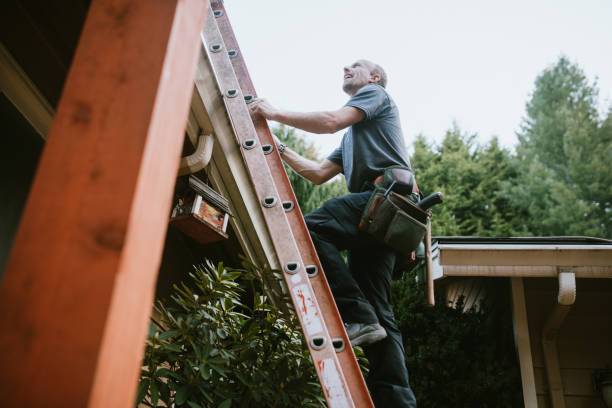
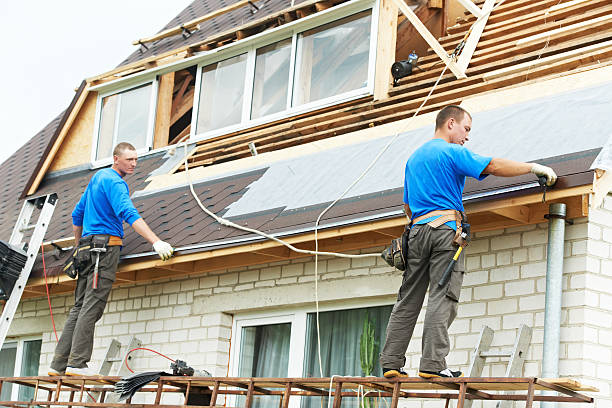
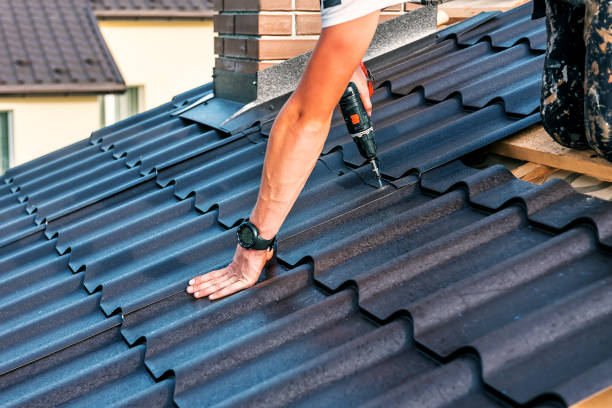
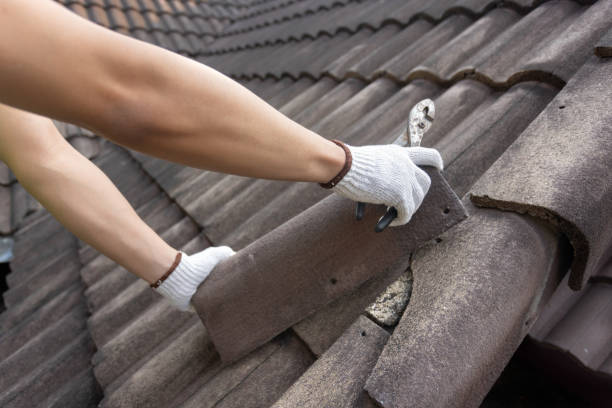
General Contractor Installing New Roof A roofer and crew work on putting in new roofing shingles. Small local business serving local families in Washington State. roofing services stock pictures, royalty-free photos & images

Proper roof care is a crucial aspect of home maintenance that ensures the longevity and durability of your roofing system. Here are some practical guidelines every homeowner can follow to maintain their roof effectively.

Perform Routine Inspections

Regular inspections allow you to identify potential issues early before they escalate into costly repairs.

  • Inspect Twice a Year: Conduct thorough checks during spring and fall to identify weather-related damage.
  • After Severe Weather: Examine your roof following heavy storms, hail, or strong winds for signs of damage such as missing shingles or leaks.
  • Interior Checks: Look for water stains on ceilings and walls as these can indicate a hidden leak in the roofing structure.

Keep Gutters Clean

Clogged gutters can cause water to back up onto your roof, leading to leaks or water damage over time.

– Install gutter guards to minimize debris buildup and reduce maintenance efforts.

– Ensure gutter downspouts direct water away from your home’s foundation.

Trim Overhanging Branches

Overhanging tree branches can scrape against shingles during high winds, causing premature wear and tear. They also provide access for rodents that may damage roofing materials.

– Maintain at least a 10-foot clearance between branches and the roof surface.

Address Small Issues Promptly

Even minor issues like cracked flashing or loose shingles should be resolved without delay. Ignoring these problems may result in more significant structural damage over time.

Some common areas requiring attention include:

– Damaged or peeling flashing around chimneys, vents, or skylights.

– Loose nails or fasteners that may compromise shingle integrity.

– Curling, cracking, or missing shingles.

Invest in Preventative Maintenance Plans

  1. Inspection and cleaning of drainage systems (gutters and downspouts).
  2.  Sealing minor cracks or vulnerabilities in materials.
  3.  Applying protective coatings where necessary.
Service Frequency Typical Cost Range
Gutter Cleaning Twice yearly $100 – $300
Roof Inspection Annually $200 – $500
Minor Repairs As needed $150 – $600 per repair

Monitor Ventilation Systems

Proper ventilation prevents moisture buildup in attics, which can lead to mold growth or wood rot over time. Key points homeowners should check include:

1. Are attic vents clear of obstructions?

2. Is there sufficient airflow under the eaves?
3. Are there any signs of condensation inside the attic?

Ensuring proper ventilation reduces stress on your roofing materials by maintaining stable temperatures throughout various seasons.

Finding the Best Commercial Roofing Services Phoenix AZ for Durable and Stylish Roof Solutions

With numerous options available, homeowners must consider factors such as material durability, climate compatibility, budget, and architectural style. Below is a guide to help you make an informed choice.

Factors to Consider When Choosing Roof Shingles

  1. Material Durability
  2. Asphalt Shingles: Affordable, versatile, and available in various styles. Lifespan: 15–30 years.
  3. Metal Roofing: Durable and energy-efficient but higher in initial cost. Lifespan: 40–70 years.
  4. Slate Tiles: Premium option with unmatched longevity but heavy and expensive. Lifespan: Over 100 years when properly maintained.
  5. Wood Shingles/Shakes: Natural appearance but susceptible to fire unless treated. Lifespan: 20–30 years.
  6. Clay or Concrete Tiles: Ideal for hot climates due to heat resistance but heavy on roofing structures. Lifespan: 50+ years.
  7. Climate Compatibility Your local weather conditions play a significant role in determining the right shingle material:
  8. Areas with high winds or storms may require impact-resistant shingles (e. g. , Class 4 asphalt shingles).
  9. Coastal regions benefit from metal roofing due to corrosion resistance.
  10. Hot climates pair well with clay tiles or reflective metal roofs that reduce heat absorption.
  11. Budget Assessing costs upfront can prevent unexpected expenses later on: | Material | Average Cost Per Square Foot (Installation Included) | Lifespan | |——————|—————————————————–|—————-| | Asphalt | $3-$5 | 15-30 years | | Metal | $5-$12 | 40-70 years | | Slate | $10-$20 | 100+ years | | Wood | $7-$10 | 20-30 years | | Clay/Concrete | $10-$18 | 50+ years |
  12. Aesthetic Appeal Shingles influence curb appeal significantly:
    • Choose colors that complement your house’s exterior design.
    • Architectural asphalt shingles mimic natural materials like slate or wood for added style without premium costs.
    • Metal roofs are available in a variety of finishes and textures for modern homes.

Benefits of Choosing the Right Roof Shingles

  • Improved Energy Efficiency: Reflective materials like metal and some asphalt shingles reduce cooling costs by deflecting sunlight.
  • Enhanced Weather Resistance: High-quality shingles withstand wear and tear caused by harsh weather conditions.
  • Increased Property Value: A well-chosen roof boosts resale value through improved aesthetics and long-term performance.

Common Mistakes to Avoid When Selecting Roof Shingles

  1. Prioritizing price over quality can lead to frequent repairs or replacements.
  2. Ignoring local building codes or HOA guidelines may result in penalties or reinstallation requirements.
  3. Failing to hire a professional contractor could lead to improper installation, voiding warranties.

Choosing roof shingles involves careful consideration of durability, style, cost, and climate suitability for the best long-term results. By evaluating these factors alongside professional advice, homeowners can ensure their investment provides lasting protection while enhancing their home’s appearance effectively.

Tips for Selecting the Best Roof Shingles from a Trusted Phoenix Arizona Commercial Roofing Company

Selecting the right roof shingles is a critical decision for homeowners. Understanding your options and what factors to consider when choosing shingles can ensure that your roof remains durable while complementing your home’s design.

Types of Roof Shingles

There are several types of roof shingles available, each with unique benefits and drawbacks.

  1. Durability: Lasts 20-30 years on average, depending on quality.
  2. Style Options: Available in various colors and textures, including three-tab and architectural designs.
  3. Cost: Among the most affordable options, making them a popular choice for residential roofs.
  4. Durability: Can last up to 50 years with proper maintenance.
  5. Style Options: Provide a natural, rustic look that enhances traditional homes or cottages.
  6. Cost: Generally more expensive than asphalt shingles but highly durable.
  7. Durability: Extremely long-lasting, often exceeding 50 years with minimal maintenance required.
  8. Style Options: Available in various finishes such as steel, aluminum, or copper for a modern or traditional look.
  9. Cost: Higher initial investment but offers long-term value due to its longevity.
  10. Durability: Impressively durable, lasting as much as 75-100 years under proper care.
  11. Style Options: Offers an elegant appearance suited for luxury homes.
  12. Cost: One of the most expensive roofing materials available.
    • Durability : High

Recognizing When It’s Time for a Full Roof Replacement to Protect Your Property

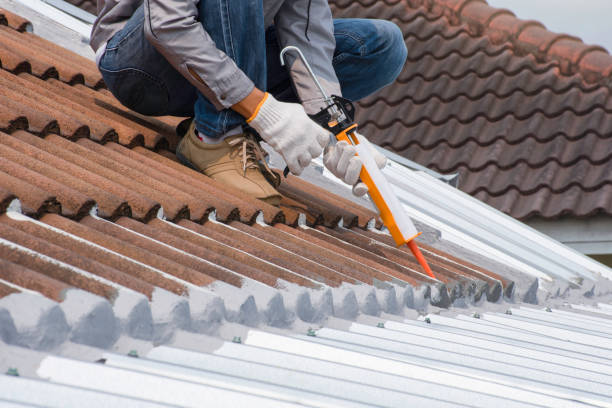
Caulk gun Technician man hand using glue gun with silicone adhesive or manual caulking gun with polyurethane to seal the leak on the roof. Installing and building construction concept. roofing services stock pictures, royalty-free photos & images

A roof is your home’s first line of defense against the elements, but over time, even the most durable roofs will show signs of wear and tear. Here are key indicators and important considerations to help you determine if a full replacement is necessary.

  • Curling or buckling shingles
  • Cracked or missing shingles
  • Granule loss (shingles shedding granules into gutters)
  • Sagging Roof Deck: A sagging appearance or dips in the structure could signal serious issues with the underlying roofing materials.
  • Frequent Repairs: If you find yourself constantly patching up trouble spots, it might be more cost-effective in the long run to invest in a full replacement.
  • Increased Energy Bills: Poor insulation from a deteriorating roof can lead to higher heating and cooling costs.

Comparing Repair vs Replacement

Aspect Repair Full Replacement
Cost Lower upfront cost Higher upfront investment
Longevity Temporary solution (1–5 years) Long-term durability (20+ years)
Structural Concerns Does not address widespread issues Resolves all underlying problems
Aesthetic Appeal May not fully restore appearance Gives your home a brand-new look

Small, isolated issues like minor leaks or damaged flashing can often be resolved with repairs. However, widespread damage or an aging structure typically necessitates replacement.

Benefits of Timely Roof Replacement

  1. Enhanced Safety: A deteriorating roof can lead to hazards such as water damage, mold growth, or structural instability.
  2. Improved Energy Efficiency: Modern roofing materials provide better insulation, reducing energy consumption and lowering utility bills.
  3. Boosted Curb Appeal: A new roof enhances your home’s overall appearance and increases its resale value.
  4. Peace of Mind: Knowing that your home is fully protected against weather-related risks brings confidence during stormy seasons.

How to Prepare for a Roof Replacement

  1. Research reliable roofing contractors in your area by looking at reviews and verifying licenses/insurance.
  2. Obtain multiple quotes to compare pricing and services offered by professionals.
  3. Choose high-quality materials best suited for your climate and aesthetic preferences (e. g. , asphalt shingles, metal roofing).
  4. Schedule the project during optimal weather conditions (spring or fall are often ideal).

Steps for Phoenix Commercial Roofing Repairs After Storm Damage

Storms can cause significant damage to your roof, leaving your home vulnerable to leaks, structural issues, and further deterioration. Below are important steps every homeowner should take after a storm to assess and address potential roof damage effectively.

Before climbing onto your roof, inspect it from the ground using binoculars if needed.

  • Missing or displaced shingles
  • Broken or curled shingles
  • Dented metal components (e. g.
  • Gutters filled with debris or granules from shingles

Additionally, check for sagging areas on the roofline that could indicate structural weakening.

  • Stains or water spots on ceilings and walls
  • Damp insulation
  • Dripping water or puddles

These signs often indicate that water has penetrated through damaged areas of the roof.

Take photos and videos of any apparent damage you observe, including both interior and exterior issues. Documentation is essential if you plan to file an insurance claim later. Ensure that you capture various angles to provide a comprehensive view of the affected areas.

If there are obvious breaches in your roof (e. g.

  • Use a waterproof tarp to cover exposed sections.
  • Secure loose materials like flashing with nails or adhesive.

Avoid making extensive repairs yourself as this can void warranties or aggravate existing problems.

Engage a licensed roofing contractor as soon as possible for a thorough inspection and necessary repairs.

Type of Damage Examples
Hidden Structural Issues Cracked beams, warped decking
Wind Damage Loose flashing, lifted shingle edges
Hail Impact Pockmarks on shingles, broken tiles

Ask for an estimate before work begins and ensure they use high-quality materials for any fixes.

  1. Provide them with photos/videos documenting the damage.
  2. Request an adjuster’s evaluation.
  3. Retain receipts for any emergency repairs you’ve made (e. g. , tarps).

Understanding what is covered under your policy will help avoid unexpected costs during repair work.

  • Assess overhanging branches that could pose future risks.
  • Check gutters and downspouts for clogging due to debris.

Clearing these hazards minimizes further strain on your roofing system.

By addressing potential roofing issues swiftly after storms occur, homeowners can safeguard their property against long-term structural challenges while maintaining their home’s value over time.

The Real Cost of Delaying Necessary Roof Repairs and Why Timely Action Matters

Roof repairs are not something that should be postponed. While it may seem convenient to delay addressing minor issues, procrastination can lead to significant long-term consequences for your property, finances, and safety. In this section, we will explore the financial and structural risks of neglecting roof repairs and why timely action is always the most cost-effective approach.

Compounding Damage Over Time

Roof problems, such as small leaks or missing shingles, rarely stay isolated. When left untreated, these issues can escalate into larger problems that require more extensive (and costly) repairs.

  • Leaks Spread: A small leak may only affect a confined area initially but can seep into insulation, drywall, and structural beams if ignored.
  • Moisture Damage: Exposure to water can lead to mold growth, wood rot, and even compromise your home’s foundation.

By addressing these issues promptly, you mitigate the risk of more significant structural deterioration.

Financial Implications of Delayed Repairs

  • Increasing Repair Costs: A simple patch-up job today may turn into a full roof replacement within months if not addressed.
  • Utility Bill Spikes: Damaged roofs allow air to escape or enter your home uncontrollably. This forces heating or cooling systems to work harder, leading to higher energy bills.
  • Insurance Challenges: Some insurance policies may deny claims for damages caused by neglecting maintenance. You could find yourself responsible for covering substantial repair costs out-of-pocket.
Issue Cost Today Potential Cost if Delayed
Fixing a Small Leak $150 – $400 $2,000 – $10,000 (if water damage spreads)
Replacing Missing Shingles $200 – $600 $7,000 – $15,000 (if full replacement needed)
Addressing Mold Growth N/A $1,000+ (depending on severity)

Risks Beyond Finances

  1. Health Concerns– Water infiltration often leads to mold growth inside ceilings or walls. Mold exposure can cause respiratory problems for you and your family.
  2. Structural Integrity Risks– Persistent leaks weaken essential roofing elements like wooden joists and beams.
  3. Decreased Property Value– A damaged roof is one of the first things prospective buyers notice during inspections.

Benefits of Timely Roof Repairs

  • Prevents costly emergency repairs
  • Improves energy efficiency by maintaining proper insulation
  • Ensures peace of mind during severe weather conditions

In summary, while it may seem easier in the short term to delay necessary repairs due to cost concerns or lack of time, this approach carries far greater risks than simply addressing problems immediately. Investing in timely repairs not only saves money but also protects your home’s structure and ensures long-term stability for you and your family.


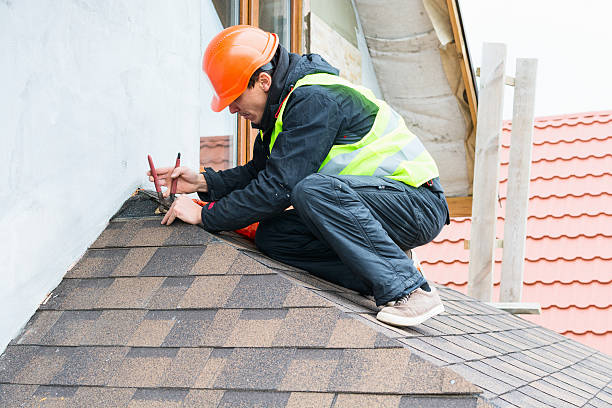
Roofer builder worker Roofer builder worker dismantling roof shingles roofing services stock pictures, royalty-free photos & images

A damaged roof can be a significant challenge for homeowners. Whether caused by natural wear and tear, severe weather, or unexpected accidents, addressing roof damage promptly is essential to maintaining your home’s structural integrity and protecting it from further harm. Below are five essential tips for handling roof replacements effectively.

1. Assess the Extent of the Damage

  • Missing, cracked, or curling shingles
  • Water stains on ceilings or walls inside your home
  • Leaks during rainstorms or pooling water on flat roofs
  • Mold, mildew, or algae growth
  • Sagging sections of the roof

If you’re unsure about what to look for, consider hiring a professional roofing inspector to conduct a thorough assessment. Their expertise can help identify issues that may not be immediately visible.

2. Choose the Right Roofing Materials

Material Durability Maintenance Requirements Cost
Asphalt Shingles 20–30 years Low Affordable
Metal Roofing 40–70 years Minimal Moderate to High
Tile Roofing 50+ years Low High
Wood Shingles 20–25 years Moderate Moderate

Discuss these options with a roofing contractor to determine which material best suits your specific needs.

3. Obtain Multiple Estimates

  • Labor costs
  • Material costs (with brand and warranty details)
  • Timeline for project completion
  • Clean-up and disposal fees

Be wary of unusually low bids; they may indicate poor-quality workmanship or subpar materials.

4. Verify Contractor Credentials

  • Proper licensing as required by local or state regulations
  • Adequate insurance coverage (both liability and workers’ compensation)
  • Positive reviews and references from previous clients
  • Certification from manufacturers for installing specific products

Additionally, check their rating with organizations like the Better Business Bureau (BBB) or online platforms specializing in service reviews.

5. Schedule Routine Maintenance After Replacement

  • Inspecting for loose or damaged shingles annually
  • Cleaning gutters to prevent water buildup around the edges of your roof
  • Removing debris such as leaves or branches regularly
  • Scheduling professional inspections every few years

Proactive care ensures that small issues are addressed early before they turn into major problems.

By following these tips, homeowners can successfully navigate the often-overwhelming process of replacing a damaged roof while ensuring quality results that stand the test of time.

Tips for Choosing a Reliable Commercial Roofing Contractor Phoenix

Finding a reliable and trustworthy roofing contractor can be challenging, but it is a vital step for ensuring the longevity and safety of your home. A roof is one of the most important parts of your home’s structure, so selecting the right professional for repairs or replacements requires careful consideration. Below are essential tips to help you find the right contractor for your roofing needs.

1. Do Your Research

  • Positive customer reviews and high ratings
  • Certifications or memberships in professional associations like the National Roofing Contractors Association (NRCA)
  • A permanent business address, website, and phone number

2. Verify Licenses and Insurance

  • General liability insurance: Covers any damage caused to your property during the project.
  • Workers’ compensation insurance: Protects you from liability if a worker is injured on your property.

Without adequate insurance coverage, you could be financially responsible in case of accidents or damages.

3. Request References

  • Quality of workmanship
  • Timeliness in completing the job
  • Communication throughout the project

References provide valuable insight into a contractor’s reliability and professionalism.

4. Compare Estimates

Item Description
Materials Type and quality of materials being used
Labor Costs Costs associated with labor
Timeline Estimated start and completion dates
Additional Fees Any added charges (e.g., permits or disposal fees)

Avoid automatically choosing the lowest bid without considering other factors such as reputation or material quality.

5. Check Warranty Options

  • Duration of coverage (e.g., 10 years for workmanship)
  • What is covered under each warranty
  • Steps required in case claims need to be filed

Be wary of companies unwilling to provide clear warranty terms in writing.

6. Avoid High-Pressure Sales Tactics

Trustworthy roofing professionals offer advice without using aggressive sales tactics or pressuring homeowners into making hasty decisions. Take time to assess all options before signing any agreements.

Red Flags To Watch Out For

  • Lack of verifiable credentials (licenses or insurance)
  • Vague contract terms without proper documentation
  • Requiring large upfront payments before beginning work
  • Negative online reviews highlighting poor communication or incomplete projects

Taking these precautions will help protect you from scams while ensuring your roof gets the attention it deserves.

By committing time toward thorough research and evaluation upfront, you can confidently hire a roofing contractor who meets both your budgetary needs and overall expectations while delivering high-quality results tailored specifically for your home’s requirements.

How to Find Reliable Commercial Roofing Services Phoenix AZ for Your Property

Proper roof maintenance is crucial to safeguarding your home, and one of the best ways to ensure your roof’s performance and longevity is through regular professional inspections. Many homeowners often overlook this essential step, which can lead to costly repairs or premature replacements. Let’s explore why scheduling a professional roof inspection is vital for your home.

Benefits of Professional Roof Inspections

  • Early Detection of Issues: Professionals can spot early signs of wear, leaks, or structural issues that may not be obvious to the untrained eye.
  • Cost Savings: Addressing minor problems proactively prevents them from escalating into major repairs or full replacement costs.
  • Prolonged Roof Lifespan: Routine inspections allow for timely maintenance, extending the life of your roof by years.
  • Insurance Compliance: Many insurance policies require regular inspections to validate claims in the event of damage.

When to Schedule a Roof Inspection

  • After Severe Weather Events: High winds, hailstorms, or heavy rain can cause significant damage. Schedule an inspection promptly following intense weather conditions.
  • Seasonal Changes: Inspect your roof during spring or fall when temperature fluctuations can create stress on roofing materials.
  • Before Buying a Home: A pre-purchase inspection ensures there are no hidden roofing issues in a potential property investment.
  • Annually or Biannually: Regular yearly checkups keep minor issues from developing into expensive problems.

What a Professional Roof Inspection Covers

Component Common Issues Identified
Shingles/Tiles Cracking, curling edges, missing pieces
Flashing Corrosion or gaps around chimneys and vents
Gutters and Downspouts Blockages or improper water drainage
Attic/Ventilation System Mold growth, poor airflow leading to moisture buildup
Structural Integrity Sagging areas indicating support system problems

These evaluations ensure every part of your roofing system is functioning as intended.

Why DIY Inspections Are Not Enough

While DIY inspections are helpful for identifying obvious problems like missing shingles or loose gutters, they cannot replace the expertise and tools professionals bring. Roofing contractors use advanced equipment such as infrared cameras to detect hidden moisture and thermal irregularities that signal leaks. Moreover, climbing onto a roof without proper safety gear poses serious risks.

How Often Should You Hire a Professional?

  • For roofs over 10 years old: Inspect annually.
  • For newer roofs (under 10 years): Inspect every 2–3 years unless there’s visible damage.

Regularly scheduling this service ensures small issues don’t reduce the overall durability and effectiveness of your investment.

Taking proactive steps with professional inspections will help identify vulnerabilities before they become significant concerns. This small preventative measure goes a long way in maintaining the integrity and safety of one of your home’s most important structures—its roof.

How Water Damage Affects Roof Longevity: Insights from a Phoenix Arizona Commercial Roofing Company

roofing work with flex roof two workers on roof at works with flex tile material measuring roofing drain distance roofing services stock pictures, royalty-free photos & images

Water damage is one of the most significant threats to the integrity and longevity of your roof. Whether caused by heavy rainfall, clogged gutters, or undetected leaks, water infiltration can lead to a host of issues that compromise both your roof and the overall structure of your home. Understanding how water damage occurs and its effects can help homeowners take preventative measures to protect their investment.

Common Causes of Water Damage to Roofs

  • Leaking Flashing or Seals: Flashing around chimneys, vents, and skylights can deteriorate over time, allowing water to seep into vulnerable areas.
  • Clogged Gutters: When gutters are blocked with debris like leaves or twigs, rainwater may overflow onto your roof instead of draining properly.
  • Worn Roofing Materials: Aging shingles or tiles lose their effectiveness in repelling water, increasing the risk of leaks.
  • Ice Dams: During winter months, ice dams form along roof edges when melting snow refreezes. This buildup can force water under shingles.
  • Poor Roof Design or Installation: Faulty installation or improper slope design may prevent adequate water drainage.

The Impact of Water Damage on Roof Longevity

  1. Prolonged exposure to moisture can weaken wooden structures such as rafters and decking beneath the roofing material.
  2. Rotting wood may eventually lead to sagging areas on your roof.
  3. Moist environments encourage mold growth, which not only damages materials but also poses health risks for occupants.
  4. When water infiltrates through a damaged roof, insulation becomes wet and ineffective at regulating temperatures in your home.
  5. Persistent leaks often result in stains on ceilings or walls and may even ruin drywall over time.

How To Prevent Water Damage

  • Schedule regular inspections by a professional roofing contractor to identify potential vulnerabilities early.
  • Keep gutters clean and free from debris year-round.
  • Install gutter guards or screens if you live in an area with heavy foliage.
  • Ensure attic ventilation is sufficient to prevent condensation buildup inside your home during colder months.
  • Replace worn-out shingles promptly before they create pathways for moisture infiltration.
Maintenance Task Frequency
Professional Inspection Annually
Gutter Cleaning Biannually
Addressing Leaks Immediately

When Repairs Aren’t Enough

For roofs with extensive water damage or recurring leaks despite maintenance efforts, it might be time for a full replacement rather than patchwork solutions. A professional consultation can help determine whether repair work will suffice or if investing in new materials is necessary.

Understanding these aspects allows homeowners not only to protect their roofs but also ensures extended durability while minimizing long-term costs associated with neglecting essential maintenance tasks related directly back toward ensuring better longevity overall environmentally friendly decisions made upfront regularly implemented practical actions taken responsibly maintained vigilance ensures success

Recognizing the Warning Signs That Indicate It’s Time for a Roof Replacement

1. Aging Roof

The age of your roof is one of the most reliable factors in determining whether it’s time for a replacement. Most roofs have an expected lifespan based on their materials:
| Roofing Material | Average Lifespan |
|———————–|—————————|
| Asphalt Shingles | 20-30 years |
| Metal Roofing | 40-70 years |
| Clay or Concrete Tiles | 50+ years |
| Wood Shakes or Shingles | 25-30 years |

If your roof is nearing or has surpassed its estimated lifespan, it might be time to consider replacing it.

2. Missing or Damaged Shingles

  • Cracked, curled, or blistered shingles
  • Missing shingles exposing the underlayment
  • Granule loss (check gutters for excessive granules)

Damaged shingles can lead to leaks and further structural issues if left unaddressed.

3. Frequent Leaks and Water Damage

  • Dark stains on interior ceilings
  • Mold growth near walls or in attic spaces
  • Water pooling in certain areas

Even small leaks can escalate into significant problems if ignored.

4. Sagging Roof Deck

A sagging roof often signals structural issues caused by water damage or aging materials. If you notice any dips or uneven areas along the plane of your roof, it may require immediate attention.

5. Daylight Visible in Attic

Go up to your attic during daylight hours and check for light seeping through the boards of your roof. This indicates holes or cracks that may need extensive repair—or replacement—depending on their severity.

6. Higher Energy Bills

An inefficient roofing system can impact insulation and ventilation, leading to increased heating and cooling costs. If you’ve noticed higher energy bills without a clear cause, it might be due to poor roofing performance.

When to Call a Professional

If you observe any of these warning signs, contacting a professional roofing contractor is essential. A qualified contractor will perform an inspection and provide expert advice on whether repairs are sufficient or if a full replacement is warranted.

Keep in mind that addressing roofing issues promptly not only minimizes potential damage but also ensures peace of mind as you maintain one of your home’s most critical components.

What to Know About Requesting Product Samples When Choosing Roofing Materials

Selecting the right roofing material for your home is a critical decision. With numerous options available—each with unique features, costs, and aesthetic appeals—it’s vital to make an informed choice. Requesting product samples is one of the most effective ways to ensure you’re selecting materials that meet your needs and preferences. Below, we’ll explore key considerations, benefits, and tips for requesting samples when choosing roofing materials.

Why Request Roofing Material Samples?

  • Visual Accuracy: Online photos and catalog images may not accurately represent the color or texture of materials. Samples allow you to see them in natural light and compare them against your home’s exterior.
  • Texture Evaluation: Handling the sample lets you assess its feel and sturdiness. This can help determine whether the material has the quality and durability you expect.
  • Compatibility Testing: By comparing samples against siding, brickwork, gutters, or trim on your property, you can ensure visual harmony in your home’s overall design.
  • Confidence in Investment: Roofing projects involve significant costs. Seeing and feeling materials firsthand can boost confidence in your final selection.

Key Features to Evaluate in Roofing Material Samples

Feature Importance
Color Look for shades that complement your exterior while considering long-term trends.
Weight Heavier materials often indicate higher durability but may require additional structural support.
Durability Check for resistance to weather elements like rain, wind, hail, or UV rays.
Texture Assess whether it aligns with your aesthetic preferences (smooth vs textured finishes).
Eco-Friendliness Some materials offer sustainable properties like recyclability or thermal efficiency.

Tips for Getting the Most Out of Product Samples

  1. Request Multiple Options: Don’t limit yourself to just one type of material or brand—explore several options.
  2. Test Under Different Lighting: Observe samples outdoors during various times of day (e.g., morning light versus afternoon sun) for accurate color evaluation.
  3. Match with Your Neighborhood Aesthetic: Check whether specific colors or styles match neighborhood guidelines or enhance curb appeal.
  4. Ask Questions About Longevity: Speak with suppliers about warranties and how long specific products are likely to last under local climatic conditions.
  5. Consider Climate Suitability: Ensure that materials can withstand weather patterns common in your area (e.g., heavy snow or intense sunlight).

Where to Source Roofing Material Samples

  • Local roofing contractors often maintain sample kits from their preferred manufacturers.
  • Manufacturer websites frequently provide online forms through which consumers can order small-scale samples directly.
  • Home improvement stores sometimes stock physical displays where you can examine various textures and finishes.

By properly leveraging these resources and thoroughly evaluating options via product samples, homeowners can select roofing materials that align with both functional needs and personal style preferences while avoiding costly missteps in their investment decision-making process.

Avoiding Predatory Storm Chasers: Protecting Yourself When Hiring a Roofing Contractor

Hiring a reliable roofing contractor is crucial, especially after severe weather events. Unfortunately, “storm chasers”—unscrupulous contractors who exploit homeowners after storms—can leave you with subpar or incomplete work. Protect yourself by understanding their tactics and following these steps to hire a trustworthy professional.

Who Are Storm Chasers?

Storm chasers are contractors who travel to areas recently hit by storms, offering quick and often discounted repair services. While not all contractors operating in this manner are dishonest, many prioritize quick profits over quality work. They may use high-pressure sales techniques, perform rushed repairs, or vanish once paid.

Red Flags: How to Identify Predatory Contractors

  • Unsolicited Offers: If someone knocks on your door uninvited shortly after a storm, proceed with caution.
  • Lack of Local Presence: Storm chasers often lack an established local office or permanent address.
  • No Licensing or Insurance: Reputable contractors will have the required licenses and insurance for your area.
  • High-Pressure Sales Tactics: Beware of those urging you to sign contracts on the spot or claiming their offer is time-sensitive.
  • Requests for Upfront Payment: Legitimate contractors typically don’t require full payments before starting work.

Tips to Protect Yourself

  1. Request proof of licensing and insurance specific to your state.
  2. Check if the contractor is listed with local trade organizations or the Better Business Bureau (BBB).
  3. Look online for reviews from previous clients.
  4. Ask for references from homeowners who have used their services in the past 6–12 months.
  5. A reputable contractor should provide a detailed estimate that includes material costs, labor fees, project timeline, and warranty information.
  6. Some storm chasers may claim they can “handle your insurance claim” on your behalf but may provide inaccurate information or misrepresent coverage details.
  7. A standard practice is paying an initial deposit (typically 10%-30%) once you’ve signed the contract. Full payment should only be made after satisfactory completion of work.

Questions to Ask Prospective Contractors

Question Why It’s Important
Are you licensed and insured? Ensures compliance with local laws and protects you financially in case of accidents.
Do you have experience in this area? Local knowledge ensures familiarity with building codes and weather challenges specific to your region.
Can I see examples of recent work? Provides insight into the quality of their craftsmanship.
What warranties do you offer? Ensures you’re covered if issues arise post-installation.

After Signing the Contract

  • Ensure all communication is documented in writing.
  • Keep track of progress regularly during the repair process.
  • Save copies of receipts and contracts for future reference.

By staying informed and vigilant when hiring roofing professionals, you’ll minimize risks associated with storm chasers while ensuring quality repairs that stand up over time.


roof master with electric screwdriver a professional master (roofer) with electric screwdriver covers repairs the roof roofing services stock pictures, royalty-free photos & images

Hiring the right roofing contractor is critical to ensuring the longevity and health of your roof. A well-installed roof not only protects your home from external elements but also adds value to your property. To help you in this process, here are six essential tips for selecting a reliable and professional roofing contractor.

Ask for:
– Proof of a valid contractor’s license

– Worker’s compensation coverage

Experience plays a key role in determining the quality of work provided by a roofing contractor. Contractors with years of experience are more likely to deliver consistent results and handle unforeseen issues effectively. Look for companies that have been operating for at least five years or more.

Questions to ask:
– How long have you been in business?
– Have you handled projects similar to mine?

A trusted roofing contractor will have a solid reputation among previous clients and within their local community.

Consider these factors:
– Number of positive vs negative reviews
– Willingness to share references from recent clients
– BBB accreditation or awards

A professional roofing contractor should provide a detailed written estimate before beginning any work on your roof. This ensures transparency regarding costs, materials, labor charges, timelines, and other aspects of the project.

Make sure estimates include:
| Key Details | Description |
|—————————|————————————-|
| Material Costs | Type & quantity of materials used |
| Labor Charges | Hourly rates or flat fees |
| Project Timeline | Estimated start & completion dates |
| Warranty Details | Coverage on workmanship/materials |

Effective communication is essential when working with any contractor. Observe how responsive they are during your initial interactions—whether it’s answering calls promptly or addressing your questions thoroughly.

Signs of good communication:
– Quick response time
– Clear explanations about processes
– Willingness to address concerns

While affordability is important, choosing the cheapest option may not always guarantee quality work. Compare quotes from multiple contractors, but also evaluate their experience, reputation, warranties offered, and customer service before making your decision.

Checklist for comparing price quotes:
✅ Are material choices comparable across estimates?
✅ Does each quote include all necessary details?
✅ Is there transparency regarding additional costs?

By carefully considering these six tips when selecting a roofing contractor, you ensure that you’re hiring someone who provides quality services while meeting your expectations for reliability and professionalism.

Important Questions to Consider for Phoenix Commercial Roofing Replacement

Selecting the right roofing contractor is crucial to ensure a durable and effective roof replacement. Before committing to any professional, asking the right questions can help you assess their expertise, reliability, and overall suitability for your project. Below are some essential questions to consider asking before getting your roof replaced.

Important Questions to Ask a Phoenix Arizona Commercial Roofing Company

These credentials not only demonstrate their legitimacy but also provide important protections for both parties.

  • Licensing: Confirm that the contractor’s license is current and valid in your state or locality.
  • Insurance: Request proof of general liability insurance and worker’s compensation coverage.

2. Can You Provide References or Reviews?

Understanding a contractor’s track record is critical when evaluating their trustworthiness.

  • Look for patterns in feedback related to quality of workmanship, professionalism, and timeliness.

3. What Roofing Materials Do You Recommend?

The type of materials used can significantly impact the durability, energy efficiency, and overall cost of your new roof.

  • Inquire about the pros and cons of options such as asphalt shingles, metal roofs, slate, or tile.
  • Ask if they source materials from reputable manufacturers offering warranties.
  • Discuss weather conditions in your area to determine which material would be most suitable.

4. What is Your Process for Roof Replacement?

It’s important to understand how a contractor plans to handle your project from start to finish.

Key points to discuss include:

– Site preparation and cleanup procedures.

– Timeline estimates for project completion.

– The number of team members working on-site during the process.

This ensures transparency while helping you prepare effectively as a homeowner.

5. Do You Offer Written Estimates?

Always opt for contractors who provide detailed written estimates outlining all costs involved.

Cost Element Description
Labor Costs Charges associated with installation
Material Costs Price of roofing materials
Permits & Inspections Fees required by local authorities
Additional Services Extras like gutter replacement

Avoid verbal agreements as they may lead to misunderstandings later on.

6. What Warranties Do You Offer?

  • Workmanship Warranty: Covers installation errors made by the contractor.
  • Manufacturer Warranty: Protects against defects in roofing materials.

Ensure both warranties are provided in writing so that terms are clear upfront.

7. How Will Weather Conditions Be Addressed During Installation?

Outdoor projects like roof replacement are vulnerable to weather disruptions. Ask how they plan to manage unexpected delays due to rainstorms or other adverse conditions without compromising quality.

By using these essential questions as a guide during consultations with roofing contractors, homeowners can make more informed decisions while safeguarding their investment in a new roof

These two factors not only provide protection for you as a homeowner but also demonstrate the professionalism and credibility of the contractor.

Why Licensing Matters

Licensing is an essential indicator that the contractor meets the legal requirements to operate in your area.

  • Compliance with Laws: Licensed contractors adhere to state or local regulations, ensuring they follow building codes and safety standards.
  • Verified Qualifications: Obtaining a license often requires passing exams or meeting specific educational or experience criteria.

To verify licensing:

1. Ask for their license number and verify it with your state’s licensing board or relevant authority.

2. Confirm that their license is up-to-date, as some states require periodic renewals.

3. Check if any complaints or violations have been filed against their license.

Understanding Insurance Coverage

Insurance protects both you and the contractor in case of accidents or damages during your roofing project.

  1. Covers potential property damage caused during the roofing job.
  2. Ensures you are not responsible for repair costs if something goes wrong on your property.
  3. Protects you from liability in case a worker gets injured while working on your roof.
  4. Without this coverage, you could be held responsible for medical expenses or legal claims.

When interviewing potential contractors, ask these essential questions:

– Can you provide proof of licensing?
– Is your license valid in my city/state?
– What types of insurance do you carry?
– Can I see a copy of your insurance certificate?
– Are there any recent claims made under your insurance policies?

Red Flags to Watch For

Be cautious if:

– The contractor hesitates or refuses to provide proof of licensing or insurance.

– They offer significantly lower prices but cannot prove they meet legal requirements.

– Their documentation appears outdated, altered, or unverified by official sources.

Comparing Contractors Using Licensing & Insurance Information

Contractor Name License Verified (Yes/No) Liability Insurance (Yes/No) Workers’ Comp Insurance (Yes/No)
Contractor A Yes Yes Yes
Contractor B No Yes No
Contractor C Yes No No

Using such a table can simplify decision-making by clearly identifying which contractors meet legal standards.

By choosing a licensed and insured professional, you’re minimizing risks while investing in quality workmanship backed by accountability measures. Always prioritize these factors when vetting potential contractors for one of the most important components of your home—your roof.

The Importance of Checking a Roofing Contractor’s Reputation for Trustworthy Services

Hiring a roofing contractor is a significant decision, and ensuring their reputation for trustworthy services should be a priority. A contractor’s reputation reflects their reliability, quality of work, and commitment to customer satisfaction.

Why Reputation Matters

A roofing contractor with a strong reputation is more likely to:

– Deliver high-quality work.

– Offer reliable timelines and stick to agreed-upon schedules.

– Use durable materials that meet industry standards.

– Provide excellent customer service throughout the project.

– Delays or project cancellations.

– Unnecessary costs due to substandard materials or improper installation.

Steps to Check a Contractor’s Reputation

  1. Look for consistent patterns in feedback—do multiple customers mention timely delivery or quality issues?
  2. Be cautious of contractors with overwhelmingly positive reviews that seem fake or overly generic.
  3. Request at least three references from the contractor’s recent projects.
  4. Contact previous clients directly and ask about their experience with timelines, professionalism, and final results.
  5. Consider inquiring if there were any unexpected challenges and how they were resolved.
  6. Look for certifications from reputable trade organizations such as the National Roofing Contractors Association (NRCA).
  7. Membership in professional organizations often indicates adherence to high industry standards.
  8. Many reliable contractors showcase their work on platforms like Instagram or Facebook.
  9. Assess whether they share updates about ongoing projects, interact with clients professionally, and maintain transparency.
  10. Ask how long they have been in business within your area.
  11. Contractors with years of local experience are often more familiar with region-specific building codes and weather challenges.

Red Flags to Watch For

When reviewing a roofing contractor’s reputation, keep an eye out for these warning signs:

– A high number of unresolved complaints on review platforms or through BBB records.

– Lack of local references or reluctance to provide contact information for past clients.

– No visible portfolio of completed work online or through other documentation.

Energetic Caucasian Male Crew Installing Solar Panels On Rooftop Four Caucasian male professionals installing solar panels on a residential rooftop, wearing blue shirts and working with tools under a clear sky, showcasing teamwork and renewable energy efforts. roofing services stock pictures, royalty-free photos & images

Reputation Indicator What It Suggests
Consistent Positive Testimonials High customer satisfaction
Active Online Communication Transparency and responsiveness
Certifications Commitment to professionalism
Unresolved Complaints Potential risks in hiring

Building Trust Through Reputation

Ultimately, investing time into checking a contractor’s reputation provides peace of mind during your roofing project. A reputable roofing company demonstrates not only technical expertise but also integrity in its dealings with customers. This ensures that your roof will be installed or repaired efficiently while meeting safety and quality standards.

Why Comparing Prices Matters When Selecting a Professional Roofing Contractor

When undertaking a roofing project, comparing prices is a necessary step to ensure you are not only getting value for your investment but also hiring the right contractor for the job. However, it’s important to approach price comparisons strategically, as the cheapest option does not always mean the best choice. Below, we’ll discuss why comparing prices matters and how to do so effectively.

Avoid Overpaying or Underpaying

A detailed comparison of roofing quotes helps you avoid overpaying for materials or services. Striking the right balance between cost and quality is key.

Key Factors to Evaluate When Comparing Quotes

  • Scope of Work: Review what each contractor includes in their estimate. Some contractors may cover additional services (such as debris cleanup or warranty on labor) that others might exclude.
  • Material Quality: Not all roofing materials are created equal. A lower price might indicate that lower-grade materials are being used, which could compromise durability and performance in the long term.
  • Labor Costs: Check if labor charges are reasonable for your area and consider whether contractors employ skilled workers or outsource tasks to less experienced laborers at reduced rates.
  • Warranty Coverage: Higher pricing may sometimes reflect extended warranties on both materials and workmanship, which can provide greater peace of mind.

Things to Watch Out For in Pricing

  1. Unrealistically Low Bids: These often signal contractors who cut corners on quality or lack experience in delivering professional-grade work.
  2. Hidden Fees: Always request a breakdown of costs upfront so you’re not surprised by unexpected charges later.
  3. Lack of Transparency: If a contractor is unwilling to explain how they arrived at their pricing, it could be an indication of untrustworthiness.

Sample Comparison Table for Roofing Contractors

Contractor Name Total Cost Estimate Material Grade Labor Guarantee Included Services Warranty Provided
ABC Roofing Co. $12,000 High Yes Cleanup & Inspections 10-year warranty
XYZ Roofing LLC $9,500 Medium Yes Basic Installation Only 5-year warranty
Quality Roofers $15,000 Premium Yes Full-Service Package 15-year warranty

This table provides an example of how comparing essential details can help you differentiate between contractors based on what they offer relative to their pricing.

Tips for Conducting Price Comparisons Effectively

  • Obtain estimates from at least three reputable contractors.
  • Ensure all estimates adhere to a similar scope of work; this creates a fair basis for comparison.
  • Don’t make price your sole determining factor—factor in reputation, experience, and reviews as well.

By taking time to compare prices thoughtfully instead of rushing into decisions based solely on cost alone, homeowners can ensure they select a professional roofing contractor who offers both quality service and fair pricing tailored to their needs.

6 Tips for Choosing the Right Roofing Contractor to Ensure Quality and Reliability

Selecting the right roofing contractor is crucial to ensure your roofing project is completed efficiently, safely, and with long-lasting results. A poorly executed job not only leads to higher expenses but can also compromise the structural integrity of your property.


Licensing: Check if they are licensed in your state or region, as this ensures they meet industry regulations.

Insurance Coverage:

A contractor’s reputation speaks volumes about their reliability and quality of work. To assess their reputation:

– Check online reviews on platforms such as Google, Yelp, or BBB (Better Business Bureau).

– Request before-and-after photos of completed projects.

Experience directly impacts a contractor’s ability to handle different types of roofing projects effectively. When evaluating experience:

– Choose contractors who have been in business for at least several years.

– Look for experience with specific materials or roof types that match your needs (e. g. , asphalt shingles, metal roofs, flat roofs).

Years of Experience Expected Expertise Level
1–2 Years Basic knowledge
3–5 Years Intermediate skills
Over 5 Years Advanced expertise

Comparing quotes from multiple contractors helps you gauge fair pricing and identify potential red flags: – Avoid bids that are significantly lower than others; this could indicate subpar materials or shortcuts.

Warranties provide peace of mind by protecting your investment against defective materials or poor workmanship:

– Ask about manufacturer warranties on roofing materials.

– Inquire if there’s a workmanship warranty offered by the contractor themselves.

Effective communication ensures a smooth process from start to finish:

– Choose a contractor who responds promptly and answers all questions clearly.

– Ensure they provide a written contract outlining project timelines, costs, scope of work, and payment terms.

By following these six tips, you can reduce risks associated with hiring an unqualified roofer while ensuring quality results that last for years to come.

Key Benefits of Hiring a Professional Roofing Service for Your Next Project

Roofing is a significant investment, and ensuring the job is done right the first time requires expertise, precision, and proper resources.

Their in-depth knowledge allows them to handle various types of roofs, materials, and designs effectively. With their experience, they can identify potential issues that might go unnoticed by inexperienced contractors or DIY efforts.

Key advantages include:

– Proper installation techniques tailored to specific roofing materials such as asphalt shingles, metal roofing, or tiles.

– Compliance with local building codes and industry standards.

– Ability to recommend the most suitable materials based on climate and budget.

Access to High-Quality Materials

A notable benefit of hiring professional roofers is their access to premium materials at competitive prices.

Some examples of high-quality roofing materials include: | Material Type | Benefits | |———————|—————————————| | Asphalt Shingles | Cost-effective; available in various styles | | Metal Roofing | Durable; energy-efficient | | Clay or Concrete Tiles | Long-lasting; excellent insulation |

Safety Considerations

Roofing work can be hazardous without proper training or equipment. Professional roofers are trained in safety protocols and use specialized tools designed for working at heights. This helps minimize the risk of accidents during installation or repairs.

Safety benefits provided by professionals:

– Use of personal protective equipment (PPE), such as harnesses.

– Proper handling of heavy materials and tools.

– Insurance coverage that protects homeowners from liability in case of accidents.

Cost Efficiency

Professional services ensure high-quality outcomes that save money over time.

Ways professional services reduce costs:

1. Avoiding material wastage through precise measurements.

2. Preventing frequent repairs due to subpar workmanship.

3. Offering warranties for additional peace of mind.

Time-Saving Solutions

Roofing projects can take an extended period when handled without expertise. Professional contractors streamline the process by working efficiently with well-trained teams equipped with advanced tools and techniques.

Time-saving advantages include:

– Quick diagnosis of issues like leaks or structural damage.

– Completion within agreed timelines without compromising work quality.

– Reduced downtime affecting daily activities at home or business premises.

Warranty Protection

This ensures that if any issue arises after installation due to defective workmanship or products, it will be resolved without extra cost during the warranty period.

Common types of warranties offered: | Warranty Type | Coverage Duration | |———————-|————————————–| | Manufacturer Warranty | Covers material defects (10–50 years) | | Workmanship Warranty | Covers labor issues (varies by contractor) |

Conclusion

Working with a licensed and experienced professional roofer ensures not only peace of mind but also long-term value for your investment. By leveraging their skills, access to quality materials, adherence to safety measures, cost efficiency, time management capabilities, and warranty protections—you’ll get reliable results tailored specifically to your needs while avoiding common pitfalls associated with substandard work or DIY solutions.

How the Experience of a Commercial Roofing Contractor Phoenix Impacts Quality

When searching for a roofing contractor, one of the most critical factors to evaluate is their experience in the business. A contractor’s years of operation can significantly influence the quality of workmanship, reliability, and overall service provided. Below is an in-depth look at how experience impacts the performance and results of a roofing contractor.

Experience allows contractors to develop specialized skills over time.

  • Residential roof installation and repairs
  • Commercial roofing systems
  • Flat roofs, asphalt shingles, metal roofs, or other specialty materials
  • Emergency roof leak repairs and storm damage restoration

This broad exposure ensures that seasoned contractors are well-equipped to address unforeseen challenges during a project. Additionally, they will have refined techniques that improve efficiency without compromising on quality.

Familiarity with Local Regulations and Codes

Roofing contractors with extensive experience are often more familiar with local building codes, zoning laws, and permitting requirements. This knowledge ensures compliance with legal standards while minimizing potential delays or fines caused by improper permits or substandard work.

Years in Business Potential Familiarity with Local Laws
Less than 2 years Limited understanding
2–5 years Moderate familiarity
Over 10 years High-level expertise

Choosing an experienced professional reduces your risk of facing legal issues later.

Reliability and Reputation

Contractors with longer histories in the industry often have well-established reputations. Their longevity typically reflects their ability to deliver high-quality work consistently while maintaining satisfied customers over time.

  • Have positive reviews on online platforms
  • Provide references from past clients
  • Offer transparent communication throughout the project

Be sure to research customer feedback and ask for references as part of your vetting process.

Efficient Problem-Solving Skills

Roofing projects can present unique challenges such as unexpected damage beneath old materials or weather-related delays. Contractors who have encountered similar situations before can quickly devise solutions that minimize additional costs or disruptions.

  • Repairing water-damaged decking underneath shingles
  • Adjusting timelines due to unanticipated weather changes
  • Managing supply chain delays for specific materials

Their problem-solving skills stem directly from prior hands-on experience.

Access to Resources and Vendor Relationships

Experienced companies tend to have established relationships with vendors and suppliers. These connections provide access to high-quality materials at better prices, which benefits clients both financially and in terms of durability. Additionally, long-standing businesses may have larger teams capable of completing projects more quickly without sacrificing attention to detail.

Summary Table: Benefits of Experience

Advantage Impact on Project Quality
Refined skills Higher precision and craftsmanship
Knowledge of codes Compliance with regulations
Established reputation Increased trustworthiness
Efficient problem-solving Reduced project delays
Vendor relationships Access to affordable yet durable materials

Their expertise not only ensures better outcomes but also provides peace of mind throughout every stage of the process. Proper research into their background will save you time, money, and stress in the long run while guaranteeing top-notch results for your home or business roofing needs.


Worker man replace tile of the old roof. Repair roof concept. Worker man replace tile of the old roof. Repair roof concept. roofing services stock pictures, royalty-free photos & images

The roof is one of the most critical components of any structure, offering protection against harsh weather conditions, pests, and other environmental factors. Ensuring its longevity and performance requires the expertise of professional roofing contractors. Here’s why partnering with experienced professionals is vital for long-term protection.

Expertise in Installation and Repairs

Professional roofing contractors bring years of experience and training to the table.
– Proper installation techniques that prevent leaks or structural issues.
– Enhanced durability through the use of industry best practices.
– Accurate assessment and handling of repair needs, minimizing future problems.

Poorly executed installations or repairs by untrained individuals can compromise your roof’s integrity, leading to costly damages down the road.

Safety Considerations

Roofing work can be hazardous if not performed correctly.
– The right tools and safety gear to reduce risks during installation or repair.
– Training to handle emergencies or unexpected challenges while working at heights.

Attempting DIY roofing without adequate knowledge can not only endanger personal safety but also lead to structural mishaps.

Compliance With Local Building Codes

Every region has specific building codes that regulate roofing requirements.
1. Compliance with local building regulations.

2. Accurate permits for large-scale projects.

3. Avoidance of legal issues due to non-conformance.

Hiring contractors familiar with these codes saves time and ensures your property remains up-to-date with local standards.

Cost Efficiency Over Time

DIY/Unqualified Work Professional Roofing Contractor Services
Short-term cost savings Long-term savings through durable solutions
Frequent repairs due to errors Reliable fixes that minimize recurring issues
Potential material wastage Optimal material usage with minimal waste

A well-executed roofing job reduces maintenance costs, protects your property value, and avoids frequent replacements.

Warranty Coverage on Workmanship and Materials

Many professional roofing companies provide warranties that cover their workmanship as well as materials used during a project. These warranties can be critical in safeguarding your investment over time.

Key benefits include:
– Peace of mind knowing potential defects are covered.

– Assurance that high-quality materials were used for construction.

– Support from contractors in case post-project issues arise.

Access to Advanced Materials and Techniques

Roofing technology continues to evolve, bringing innovative materials designed for better efficiency and durability. Professional contractors have access to these advancements and recommend options tailored to your property’s unique needs—something general workers may overlook.

Investing in professional roofing services is not just about fixing current problems; it’s about securing long-term reliability for one of your property’s most crucial features—its roof. With trained experts handling every detail from installation to inspection, you safeguard both your home’s structure and its inhabitants’ safety effectively over time.

Key Indicators That You May Need Commercial Roofing Services Phoenix AZ

Your roof is one of the most critical components of your home, protecting it from the elements and ensuring structural integrity. However, roofs do not last forever, and there are several warning signs that you should be aware of to identify if your roof may need repair or replacement. Addressing these issues promptly can prevent further damage and costly repairs.

Visible Signs of Damage

  • Missing Shingles: Shingles protect the underlying layers of your roof, so missing pieces can leave your home vulnerable to leaks and other damage.
  • Cracked or Curling Shingles: Shingles that are curling, cracked, or otherwise deformed often indicate that they have reached the end of their lifespan.
  • Sagging Areas: A sagging roofline suggests structural issues which could stem from water damage or weakened support beams.

Leaks and Water Damage

Leaks are one of the most obvious signs that a roof needs immediate attention.

  • Stains on Ceilings or Walls: Water stains inside your home often indicate that moisture has penetrated through the roofing materials.
  • Mold Growth: Moisture trapped in ceilings or walls due to a leaking roof creates ideal conditions for mold to thrive, potentially causing health concerns over time.
Roofing Material Estimated Lifespan
Asphalt Shingles 20–30 years
Wood Shingles 25–30 years
Metal Roofing 40–70 years
Clay/Concrete Tiles 50+ years

Presence of Moss or Algae

While moss and algae might seem like small cosmetic issues at first glance, their presence can lead to significant damage over time. Moss traps moisture against shingles, accelerating wear and tear.

When to Hire a Phoenix Arizona Commercial Roofing Company

  1. Schedule a professional inspection with an experienced roofing contractor.
  2. Obtain multiple opinions if you’re unsure about recommended repairs versus replacement.
  3. Address smaller issues promptly before they escalate into more extensive (and costly) problems.

By understanding what warning signs to watch for and acting quickly when they appear, homeowners can extend their roof’s life expectancy while safeguarding their property from further damage.

Key Indicators That Your Roof May Require Immediate Replacement or Repair

Your roof plays a critical role in protecting your home from the elements. However, like any structural component, it is subject to wear and tear over time. Below are key indicators that signal your roof may require replacement or repair.

Visible Damage to Shingles

Damaged shingles are one of the most obvious signs of roof issues.
Curling or Buckling Shingles: This can indicate that the shingles have reached the end of their lifespan or were improperly installed.

Missing Shingles: Gaps in your shingles expose your roof to water damage, which can lead to leaks and structural issues.

Cracked Shingles: Cracks often result from harsh weather conditions such as high winds or hail.

Water Stains on Ceilings or Walls

Water stains inside your home can point to a leak in your roofing system. These stains may appear as dark spots or streaks on interior ceilings and walls.

Granule Loss

Shingle granules provide a protective layer against UV rays and improve durability. Heavy granule loss typically means that the shingles are nearing the end of their useful life.

Sagging Roof Areas

A sagging roof is an indication of severe underlying issues such as rotting decking or compromised support beams. This issue needs immediate professional attention, as ignoring it could result in further damage or even roof collapse.

Higher Energy Bills

Poor insulation could stem from damaged underlayment or air leaks caused by worn-out materials.

Moss or Algae Growth

While moss and algae growth might seem like minor cosmetic issues, they can lead to more serious problems if left untreated. Moss traps moisture against the surface of the roof, accelerating shingle deterioration over time.

Checklist: Signs Your Roof Needs Attention

Indicator Possible Cause Recommended Action
Missing shingles High winds/weather damage Replace missing sections immediately
Water stains on ceilings/walls Leaks due to worn flashing/underlayment Inspect and seal leaks
Granule buildup in gutters Aging shingles Consider replacing affected areas
Sagging areas Structural damage Consult a professional for evaluation
Increased energy bills Poor ventilation/insulation Assess insulation under roofing
Presence of moss/algae Moisture retention Clean with solutions designed for roofs

Why Timely Repairs Matter

Worker man using silicone sealant adhesive to fix crack of the old tile roof. Worker man using silicone sealant adhesive to fix crack of the old tile roof. roofing services stock pictures, royalty-free photos & images

Delaying necessary repairs can exacerbate small problems into larger complications such as mold growth, rotting structures, and expensive water damage. Regular inspections combined with prompt repairs help maintain long-term functionality while avoiding costly replacements.

By understanding these warning signs, homeowners can act swiftly when issues arise—ultimately prolonging their roof’s life span while maintaining safety and comfort within their homes. Always consult professional roofing contractors for assessments and repairs tailored specifically to your needs.

The Benefits of Hiring Expert Roofing Contractors for Thorough Inspections

Regular roofing inspections are essential to maintain the integrity, performance, and longevity of your roof. While some homeowners may consider DIY inspections, hiring expert roofing contractors provides numerous benefits that ensure your roof remains in optimal condition. Below is a comprehensive guide to why professional inspections are a smart investment.

Early Detection of Issues

Professional roofing contractors have the training and experience to identify potential problems that may go unnoticed by an untrained eye.
Leaks and Moisture Damage: Small leaks can develop into significant structural damage if not addressed on time.
Damaged or Missing Shingles: Loose or missing shingles compromise your roof’s ability to protect your home from weather elements.
Sagging Areas: Sagging can indicate structural weakening, often requiring immediate attention.
Flashing Wear and Tear: Damaged or deteriorating flashing around chimneys, vents, or skylights can lead to water infiltration.

By identifying these early warning signs during an inspection, professional roofers help you avoid costly repairs down the line.

Comprehensive Assessment Techniques

Roofing contractors utilize advanced tools and techniques during inspections to provide accurate assessments:
1.Thermal Imaging– Detects areas of trapped moisture or heat loss within the roofing system.
2.Drone Technology– Allows roofers to safely inspect hard-to-reach areas without risk of injury or damage.
3.Moisture Meters– Measures water saturation levels in roofing materials like wood decking or insulation layers.

These methods far exceed what is achievable through a visual inspection alone, ensuring no hidden issues go unnoticed.

Maximizing Lifespan with Preventive Maintenance

Expert inspections do more than just pinpoint existing problems; they help extend your roof’s lifespan by promoting preventive maintenance practices such as:
– Clearing debris that may block gutters and downspouts. – Reapplying protective coatings for flat roofs. – Checking for proper attic ventilation to prevent condensation buildup. – Addressing minor wear before it worsens due to seasonal weather changes.

Proactive care guided by professional advice ensures small fixes don’t escalate into major repairs or replacements.

Your Investment in Safety and Peace of Mind

A well-maintained roof plays a critical role in safeguarding your home against harsh weather conditions while also contributing to energy efficiency. By entrusting inspection tasks to experienced contractors, you gain peace of mind knowing that every aspect of your roof has been thoroughly evaluated for functionality and safety.

Key Benefits of Professional Inspections Details
Early Problem Detection Identifies leaks, damaged shingles, etc.
Advanced Tools & Techniques Ensures accuracy with modern technology
Longevity Optimization Extends lifespan through preventive care
Enhanced Safety Protects structure from unexpected failure

Hiring expert roofing contractors for thorough inspections is more than a recommendation—it’s an essential step toward maintaining long-term protection for one of your home’s most valuable assets.

How to Prepare Your Roof for Changing Seasons and Weather Conditions

Preparing your roof for the changing seasons and varying weather conditions is a crucial step in maintaining its longevity and effectiveness. Proactive care not only helps prevent costly repairs but also ensures your home remains protected against harsh elements such as heavy rain, snow, wind, and heat. Below are practical steps to prepare your roof for seasonal transitions.

Conduct a Visual Inspection

Start by performing a thorough visual inspection of your roof. Look for signs of wear or damage that could worsen with seasonal changes.

  • Shingles: Look for missing, cracked, curled, or loose shingles.
  • Flashing: Inspect around chimneys, vents, and skylights for gaps or corrosion.
  • Gutters: Check for clogs, sagging sections, or signs of rust.

Taking note of these issues early helps you address potential problems before they escalate.

Clean Your Gutters

Proper gutter maintenance is essential as clogged gutters can lead to water pooling on your roof and eventual leaks.

  1. Remove debris such as leaves and twigs from the gutters.
  2. Flush the gutters with water to ensure proper flow.
  3. Confirm that downspouts are directing water away from your home’s foundation.

Regular gutter cleaning can prevent water damage to both the roofing structure and interior spaces of your home.

Reinforce Vulnerable Areas

  • Seal exposed flashing: Use roofing sealant to reinforce flashing around chimneys or vent pipes.
  • Install leaf guards: These help minimize debris buildup in gutters during autumn months.
  • Replace worn-out caulking: Cracked caulking can allow water intrusion into sensitive areas beneath shingles.

Taking these steps improves your roof’s resistance against extreme weather.

Trim Overhanging Branches

Trees near your home may pose a risk during storms when strong winds can cause branches to break off onto the roof. Trim back any overhanging limbs that could potentially scrape roofing materials or add extra weight during snowfall. Keeping vegetation away from the roof also reduces algae growth caused by trapped moisture from shade cover.

Schedule a Professional Inspection

While DIY efforts are helpful, nothing replaces the expertise of professional roofing contractors who can identify hidden issues that may not be visible from ground level or during routine inspections.

  • Structural integrity of the roofing system.
  • Condition of underlayment material.
  • Signs of mold, rot, or moisture infiltration.

Hiring an expert ensures thorough evaluation and recommendations tailored specifically for your roof’s needs.

Seasonal Maintenance Checklist

Task Recommended Frequency Notes
Visual inspection Quarterly Focus on shingles, flashing, and vents
Gutter cleaning Biannually (spring/fall) More frequent if trees surround property
Trimming overhanging branches Annually Prevents physical damage during storms
Professional inspection Annually Ideal before winter or rainy seasons

By following these tips consistently throughout the year, you enhance your roof’s ability to withstand fluctuating weather conditions while extending its lifespan significantly.

Enhancing Durability with Quality Materials in Phoenix Commercial Roofing

When it comes to safeguarding your home or business, the importance of quality roofing materials cannot be overstated. The roof serves as the first line of defense against the elements, and choosing durable materials can significantly impact its lifespan and overall performance. Below, we explore how investing in high-quality roofing materials enhances durability and protects your property.

Key Characteristics of Quality Roofing Materials

Durable roofing materials share certain characteristics that make them stand out.

  • Weather Resistance: High-quality materials can withstand harsh conditions such as heavy rains, strong winds, intense sunlight, and snow without compromising their integrity.
  • Longevity: Premium materials often offer extended lifespans, reducing the need for frequent repairs or replacements.
  • Energy Efficiency: Some advanced roofing options help maintain indoor temperatures by providing insulation or reflecting heat.
  • Low Maintenance: Durable materials reduce recurring maintenance needs, saving time and money.

Popular Types of Roofing Materials and Their Benefits

Material Type Lifespan (Years) Key Benefits
Asphalt Shingles 20–30 Cost-effective, easy installation
Metal Roofing 40–70 Lightweight, fire-resistant
Clay Tiles 50–100 Excellent durability, traditional aesthetic
Slate 75–100+ Superior longevity, natural stone appearance
Synthetic Materials 30–50 Customizable design options, enhanced durability

Each type offers unique advantages depending on factors like budget, design preferences, and climate conditions.

Why Quality Matters for Durability

  1. Premature wear and tear due to weak resistance against environmental stressors.
  2. Higher repair costs over time because of frequent damage.
  3. Reduced energy efficiency from poor insulation properties.

High-quality roofing not only ensures structural integrity but also adds value to your property by boosting curb appeal and offering long-term protection.

Factors to Consider When Choosing Roofing Materials

  • Climate Suitability: Choose weather-resistant options that align with your region’s climate patterns.
  • Budget Constraints: While premium materials might have a higher upfront cost, they often save money in the long run through decreased maintenance requirements.
  • Aesthetic Appeal: The material should complement your building’s overall design style.
  • Weight Load Capacity: Ensure your roof structure can support heavier options like clay tiles or slate.

The Role of Professional Contractors in Material Selection

Roofing contractors with expertise play a vital role in helping homeowners select appropriate materials. They assess factors such as roof slope, building codes, and environmental demands to provide tailored recommendations. Additionally, professional installation guarantees that quality materials perform at their best without compromising durability.

Investing in superior roofing materials is essential for ensuring long-term protection for your property. Combining quality products with expert installation creates a robust barrier against potential damage while enhancing aesthetic appeal and energy efficiency.


Roofer Builder Worker Ensuring Roof Maintenance Roofer Construction Worker Replace Tile Of The Old Roof roofing services stock pictures, royalty-free photos & images

The roof of your home serves as the primary defense against harsh weather conditions, making it essential to ensure its durability and longevity. However, many homeowners encounter common roofing problems that, if left unaddressed, can lead to costly repairs or even premature roof replacement. Below, we explore some of the most prevalent roofing issues and provide effective solutions to maintain your roof’s integrity in the long term.

1. Roof Leaks

Problem:
Roof leaks are one of the most frequent issues homeowners face. They often occur due to broken shingles, improperly sealed flashing, or clogged gutters.

Solution:
– Inspect your roof for visible damage after severe weather conditions.

– Regularly clean gutters to prevent water buildup that can seep under roofing materials.

– Apply waterproof coatings or sealants on vulnerable areas such as chimneys, skylights, and vents.

– For extensive leaks, consult a professional roofer who can assess and repair the problem efficiently.

2. Damaged or Missing Shingles

Problem:
Shingles may become cracked, curled, or entirely blown off due to strong winds or aging materials. Missing shingles expose the underlying layers of your roof to moisture damage.

Solution:
– Replace damaged or missing shingles promptly to prevent further structural deterioration.

– Choose high-quality asphalt shingles capable of withstanding extreme weather conditions.

– Schedule regular inspections to identify minor shingle issues before they escalate.

3. Ponding Water on Flat Roofs

Problem:
Flat roofs are prone to water pooling after heavy rain due to insufficient drainage systems or uneven surfaces. Prolonged standing water weakens roofing materials over time.

Solution:
– Ensure proper slope design during installation for effective water runoff.

– Install additional drains where necessary and keep them free from debris.

– Reinforce flat roofs with a durable membrane layer like EPDM (ethylene propylene diene monomer) for enhanced longevity.

4. Cracked Flashing

Problem:
Flashing around chimneys, vents, and skylights can crack over time due to exposure to fluctuating temperatures. Damaged flashing leaves gaps that allow moisture intrusion.

Solution:
– Inspect flashing regularly for signs of rust or cracks.

– Replace damaged flashing with new metal pieces sealed with roofing cement for added protection.

– Consider installing high-quality flashing materials like aluminum or galvanized steel for increased durability.

5. Poor Ventilation

Problem:
Insufficient attic ventilation traps heat and moisture under the roof deck, leading to mold growth, wood rot, and premature aging of shingles.

Solution:
– Install ridge vents along with soffit vents for consistent airflow through the attic space.

– Ensure existing ventilation systems are unobstructed by debris or insulation material.

– Work with a professional roofer who can design an optimized ventilation system tailored to your home’s needs.

Issue Potential Cause Suggested Solution
Roof leaks Broken shingles/clogged gutters Regular inspections/cleaning gutters
Missing shingles Wind damage/aging materials Timely replacement/quality shingle installation
Ponding water Insufficient drainage Improved slope design/additional drains
Cracked flashing Temperature fluctuations/rust Replacement with durable materials
Poor ventilation Blocked airflow Installation of ridge and soffit vents

By addressing these common problems proactively through regular maintenance and timely repairs, you can extend your roof’s lifespan while preventing costly replacements in the future. A well-maintained roof not only protects your home but also enhances its overall value and energy efficiency. Always consider consulting an experienced roofing contractor if you encounter persistent issues that require professional expertise.

Identifying Roof Leak Signs and Finding the Right Commercial Roofing Contractor Phoenix

Roof leaks can lead to significant damage if left unaddressed. Identifying early signs of a leak and knowing when to seek professional assistance is essential for maintaining the integrity of your home. Below, we explore common indicators of roof leaks, their potential impacts, and why professional intervention is often necessary.

Common Signs of Roof Leaks

  • Water Stains on Ceilings or Walls: Discoloration or dark patches on interior walls or ceilings often signal water infiltration from the roof.
  • Dripping Water: Visible water dripping indoors during rain is an obvious sign that your roofing system may have an issue.
  • Peeling Paint or Wallpaper: Excess moisture can cause paint or wallpaper to bubble, crack, or peel.
  • Sagging Ceiling: A sagging ceiling may indicate significant water accumulation above it, requiring immediate attention.
  • Mold or Mildew Growth: The presence of mold inside your home could stem from persistent moisture caused by unnoticed leaks.
  • Missing or Damaged Shingles: Inspecting your roof visually for missing shingles, curling edges, or visible cracks can help identify potential problem areas.

Potential Consequences of Ignoring Roof Leaks

  1. Structural Damage
    Prolonged exposure to water weakens wooden beams, drywall, and insulation materials.
  2. Increased Energy Costs
    Water infiltration often damages insulation systems, leading to higher heating and cooling expenses.
  3. Health Hazards
    Mold growth caused by excess moisture poses serious health risks for residents with allergies or respiratory conditions.
  4. Decreased Property Value
    A neglected roof diminishes curb appeal and reduces overall property value during resale inspections.

When Should You Call a Professional Roofer?

Scenario Reason for Professional Help
Persistent leaks despite DIY efforts Professionals have advanced tools for pinpointing leaks
Extensive shingle damage Requires replacement with precision
Sagging areas on the roof Signals structural compromise needing expert evaluation
Visible mold growth Experts ensure proper removal without spreading spores

Benefits of Hiring an Expert Roofer

  • Proper identification of the root cause
  • Use of durable materials suited for local weather conditions
  • Compliance with local codes and regulations
  • Warranty protection for labor and materials

By being vigilant about spotting leaks early and partnering with experienced contractors when necessary, homeowners can extend their roof’s lifespan while safeguarding their property from further damage.

Expert Tips for Selecting Commercial Roofing Services Phoenix AZ for Quality Installation

Damaged house roof with missing shingles after hurricane Ian in Florida. Consequences of natural disaster Damaged house roof with missing shingles after hurricane Ian in Florida. Consequences of natural disaster. roofing services stock pictures, royalty-free photos & images

Selecting an expert roofing contractor is one of the most critical decisions a homeowner or property manager can make. A roof is not just a functional component of your home; it also protects the structure, valuables, and people beneath it. Poor installation can lead to premature deterioration, costly repairs, and even safety hazards. Here’s why choosing an experienced professional matters and what you should look for when hiring one.

Benefits of Hiring Expert Roofing Contractors

  • Proper Installation Techniques: Skilled roofers follow manufacturer guidelines and industry standards to ensure long-lasting results.
  • High-Quality Materials: Professionals often have access to premium materials that are durable and suited to your specific needs.
  • Enhanced Safety: Experienced contractors prioritize safety during installation, minimizing risks during the project.
  • Manufacturer Warranties: Many manufacturers require certified contractors for warranty coverage. Hiring an expert ensures these warranties remain valid.
  • Cost-Efficiency Over Time: While upfront costs for professional services may seem higher, their work reduces the likelihood of costly repairs or replacements in the near future.

Risks of Poor Workmanship

  1. Leaks and Water Damage: Poorly installed roofs often lack proper sealing, leading to leaks that cause structural damage over time.
  2. Energy Inefficiency: Subpar insulation or improper ventilation can increase heating and cooling costs due to poor energy retention.
  3. Shortened Roof Lifespan: Inadequate workmanship can reduce the lifespan of your roof by years, requiring premature replacement.
  4. Voided Warranties: Mistakes made by non-certified installers may void manufacturer warranties, leaving you liable for repair costs.

Key Factors When Hiring a Roofing Contractor

Factor Why It Matters
Licensing & Insurance Ensures compliance with state regulations and protects against liabilities.
Experience Indicates familiarity with various roofing systems and potential challenges.
References & Reviews Demonstrates past successes and customer satisfaction levels.
Written Estimates Provides transparency regarding costs, materials used, and timelines.
Warranty Options Ensures coverage in case of unexpected issues after installation.

Questions to Ask Potential Contractors

  • Are you licensed and insured?
  • Can you provide references from previous clients?
  • What types of roofing materials do you recommend for my home or property?
  • Do you offer written warranties on labor and materials?
  • How do you handle unforeseen issues during a project?

Final Thoughts on Choosing Professionals

Investing in a skilled roofing contractor is one of the best ways to protect your home’s structural integrity while enhancing its longevity. By carefully vetting potential candidates based on their qualifications, experience, and reputation, you can ensure a high-quality roof that lasts for decades with minimal maintenance requirements.

How Poor Ventilation Can Impact Your Roof’s Longevity and Performance with a Phoenix Arizona Commercial Roofing Company

Proper ventilation is a critical, yet often overlooked, component of maintaining a healthy and durable roof. Poor ventilation can lead to a host of issues that not only compromise the lifespan of your roof but also affect your home’s energy efficiency and indoor air quality. Below, we explore how poor ventilation impacts your roof’s performance, the potential risks it poses, and steps to mitigate these problems.

Effects of Poor Ventilation on Roof Longevity

  1. During warmer months, inadequate ventilation can trap heat in the attic or roofing spaces.
  2. This trapped heat can cause roofing materials like shingles to deteriorate prematurely by warping or cracking over time.
  3. Heat build-up also increases the workload on your HVAC system, raising energy costs.
  4. Without proper airflow, moisture from everyday activities (such as cooking and showering) builds up in the attic.
  5. Persistent moisture can weaken structural components like wooden beams or support structures due to rot or mold growth.
  6. In colder months, improper ventilation can lead to uneven roof temperatures, causing snow to melt and refreeze near the edges of the roof.
  7. These ice dams result in blocked drainage and water backing up under shingles, potentially damaging both your roof and interior ceilings.
  8. Poor attic ventilation can compromise the effectiveness of insulation over time by making it damp or allowing mold growth within insulation materials.

Signs of Inadequate Roof Ventilation

  • Hot or stuffy attic spaces, even during mild weather conditions.
  • Noticeable peeling paint near eaves or inside walls.
  • Mold spots or mildew odors in attics.
  • Consistently high energy bills due to overworked cooling systems.
  • Unusual formation of ice dams during winter seasons.

Solutions for Effective Roof Ventilation

  1. Install Ridge Vents: Allow continuous airflow at the peak of the roof for consistent circulation between intake vents (soffit) and exhaust vents (ridge).
  2. Upgrade Soffit Vents: Ensure adequate intake vents along eaves for balanced air exchange throughout attic spaces.
  3. Add Attic Fans: Mechanical fans help circulate air efficiently in larger homes with complex roofing designs.
  4. Remove Obstructions: Clear any insulation material blocking soffit vents or airflow pathways.
  5. Consult Experts: Professional roofing contractors can inspect your current system and recommend tailored solutions based on your home’s design.

A Comparison Table: Proper vs Poor Ventilation Impacts

Aspect Proper Ventilation Benefits Poor Ventilation Consequences
Roof Durability Prolongs lifespan by reducing wear Premature deterioration due to heat/moisture
Indoor Air Quality Promotes cleaner air circulation Increased risk of mold/mildew
Energy Efficiency Reduces energy consumption Higher heating/cooling costs

Ensuring that your roof has a properly functioning ventilation system is essential for maintaining its integrity over time while protecting other areas of your home as well. Regular inspections by professionals combined with timely updates to airflow mechanisms will significantly enhance both performance and longevity for years ahead.

Understanding the Risks of Damaged or Missing Shingles to Your Home’s Safety

Damaged or missing shingles may seem like a minor issue, but they can pose significant risks to the safety and structural integrity of your home. Roof shingles act as the first line of defense against environmental elements such as rain, wind, snow, and UV rays. When they are compromised, it can lead to various problems that jeopardize both your property and personal safety. Below is an in-depth exploration of these risks and why addressing shingle issues promptly is essential.

How Damaged or Missing Shingles Impact Your Home

  1. Missing shingles leave gaps in your roof that allow water to seep into the underlying materials.
  2. Prolonged exposure to moisture can lead to mold growth, wood rot, or damage to your ceiling and walls.
  3. Persistent leaks can weaken key structural components over time.
  4. Shingles contribute to insulation by reflecting heat and maintaining temperature control inside your home.
  5. Damaged shingles may result in increased energy consumption as heating or cooling systems work harder to compensate for poor insulation performance.
  6. Missing or weakened shingles make your home more susceptible to wind uplift during storms.
  7. Without proper coverage, debris from high winds or hail can directly impact your roof deck, causing further damage.
  8. Loose pieces from damaged shingles could fall off entirely, posing a hazard for anyone near your property.
  9. In some jurisdictions, failing to maintain a safe roof condition could violate building codes or insurance requirements.

The Long-Term Risks Linked to Neglected Roof Issues

  • Structural Weakening: Continued exposure to moisture leads to internal decay in decking panels and support beams.
  • Higher Repair Costs: What starts as a simple repair job often escalates into costly replacements if ignored.
  • Pest Infestation: Gaps caused by missing shingles might invite pests such as insects, birds, or rodents seeking shelter.
  • Reduced Property Value: A roof in disrepair significantly diminishes curb appeal and resale potential.

Common Causes of Shingle Damage

Cause Example Scenarios
Severe weather events Heavy winds ripping off loose tiles; hail causing cracks
Poor installation quality Misaligned shingles leaving them prone to displacement
Age-related wear Older asphalt roofs losing granules that protect against UV rays
Lack of maintenance Failing to identify small issues like chipped edges leading eventually to larger problems

How Homeowners Can Mitigate These Risks

  • Conduct regular inspections at least twice a year (spring and fall).
  • Schedule professional roofing evaluations after major weather events like storms or hurricanes.
  • Replace missing shingles immediately rather than waiting for leaks or additional damage.
  • Invest in high-quality materials resistant to specific challenges in your climate (e.g., algae-resistant asphalt).

By actively maintaining your roof’s condition and addressing issues swiftly when they arise, you protect not only your home’s structure but also its occupants’ safety.

Repairing a handful of damaged shingles now will always be less expensive—and safer—than dealing with widespread deterioration down the line. Working with qualified roofing contractors ensures any repairs are handled effectively without compromising long-term durability.