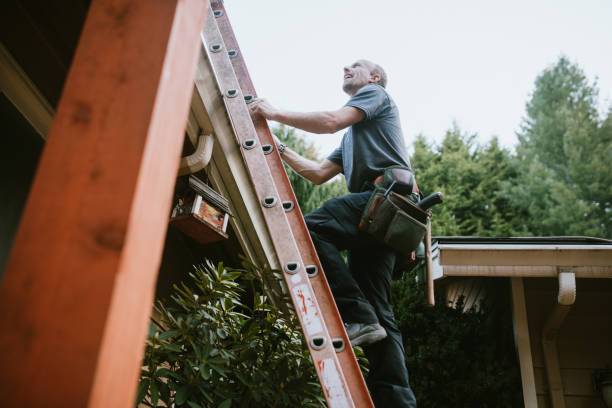
Proper roof care is a crucial aspect of home maintenance that ensures the longevity and durability of your roofing system. Here are some practical guidelines every homeowner can follow to maintain their roof effectively.
Perform Routine Inspections
Regular inspections allow you to identify potential issues early before they escalate into costly repairs.
- Inspect Twice a Year: Conduct thorough checks during spring and fall to identify weather-related damage.
- After Severe Weather: Examine your roof following heavy storms, hail, or strong winds for signs of damage such as missing shingles or leaks.
- Interior Checks: Look for water stains on ceilings and walls as these can indicate a hidden leak in the roofing structure.
Keep Gutters Clean
Clogged gutters can cause water to back up onto your roof, leading to leaks or water damage over time.
– Install gutter guards to minimize debris buildup and reduce maintenance efforts.
– Ensure gutter downspouts direct water away from your home’s foundation.
Trim Overhanging Branches
Overhanging tree branches can scrape against shingles during high winds, causing premature wear and tear. They also provide access for rodents that may damage roofing materials.
– Maintain at least a 10-foot clearance between branches and the roof surface.
Address Small Issues Promptly
Even minor issues like cracked flashing or loose shingles should be resolved without delay. Ignoring these problems may result in more significant structural damage over time.
Some common areas requiring attention include:
– Damaged or peeling flashing around chimneys, vents, or skylights.
– Loose nails or fasteners that may compromise shingle integrity.
– Curling, cracking, or missing shingles.
Invest in Preventative Maintenance Plans
- Inspection and cleaning of drainage systems (gutters and downspouts).
- Sealing minor cracks or vulnerabilities in materials.
- Applying protective coatings where necessary.
| Service | Frequency | Typical Cost Range |
| Gutter Cleaning | Twice yearly | $100 – $300 |
| Roof Inspection | Annually | $200 – $500 |
| Minor Repairs | As needed | $150 – $600 per repair |
Monitor Ventilation Systems
Proper ventilation prevents moisture buildup in attics, which can lead to mold growth or wood rot over time. Key points homeowners should check include:
1. Are attic vents clear of obstructions?
2. Is there sufficient airflow under the eaves?
3. Are there any signs of condensation inside the attic?
Ensuring proper ventilation reduces stress on your roofing materials by maintaining stable temperatures throughout various seasons.
Finding the Best Commercial Roofing Services Phoenix AZ for Durable and Stylish Roof Solutions
With numerous options available, homeowners must consider factors such as material durability, climate compatibility, budget, and architectural style. Below is a guide to help you make an informed choice.
Factors to Consider When Choosing Roof Shingles
- Material Durability
- Asphalt Shingles: Affordable, versatile, and available in various styles. Lifespan: 15–30 years.
- Metal Roofing: Durable and energy-efficient but higher in initial cost. Lifespan: 40–70 years.
- Slate Tiles: Premium option with unmatched longevity but heavy and expensive. Lifespan: Over 100 years when properly maintained.
- Wood Shingles/Shakes: Natural appearance but susceptible to fire unless treated. Lifespan: 20–30 years.
- Clay or Concrete Tiles: Ideal for hot climates due to heat resistance but heavy on roofing structures. Lifespan: 50+ years.
- Climate Compatibility Your local weather conditions play a significant role in determining the right shingle material:
- Areas with high winds or storms may require impact-resistant shingles (e. g. , Class 4 asphalt shingles).
- Coastal regions benefit from metal roofing due to corrosion resistance.
- Hot climates pair well with clay tiles or reflective metal roofs that reduce heat absorption.
- Budget Assessing costs upfront can prevent unexpected expenses later on: | Material | Average Cost Per Square Foot (Installation Included) | Lifespan | |——————|—————————————————–|—————-| | Asphalt | $3-$5 | 15-30 years | | Metal | $5-$12 | 40-70 years | | Slate | $10-$20 | 100+ years | | Wood | $7-$10 | 20-30 years | | Clay/Concrete | $10-$18 | 50+ years |
- Aesthetic Appeal Shingles influence curb appeal significantly:
- Choose colors that complement your house’s exterior design.
- Architectural asphalt shingles mimic natural materials like slate or wood for added style without premium costs.
- Metal roofs are available in a variety of finishes and textures for modern homes.
Benefits of Choosing the Right Roof Shingles
- Improved Energy Efficiency: Reflective materials like metal and some asphalt shingles reduce cooling costs by deflecting sunlight.
- Enhanced Weather Resistance: High-quality shingles withstand wear and tear caused by harsh weather conditions.
- Increased Property Value: A well-chosen roof boosts resale value through improved aesthetics and long-term performance.
Common Mistakes to Avoid When Selecting Roof Shingles
- Prioritizing price over quality can lead to frequent repairs or replacements.
- Ignoring local building codes or HOA guidelines may result in penalties or reinstallation requirements.
- Failing to hire a professional contractor could lead to improper installation, voiding warranties.
Choosing roof shingles involves careful consideration of durability, style, cost, and climate suitability for the best long-term results. By evaluating these factors alongside professional advice, homeowners can ensure their investment provides lasting protection while enhancing their home’s appearance effectively.
Tips for Selecting the Best Roof Shingles from a Trusted Phoenix Arizona Commercial Roofing Company
Selecting the right roof shingles is a critical decision for homeowners. Understanding your options and what factors to consider when choosing shingles can ensure that your roof remains durable while complementing your home’s design.
Types of Roof Shingles
There are several types of roof shingles available, each with unique benefits and drawbacks.
- Durability: Lasts 20-30 years on average, depending on quality.
- Style Options: Available in various colors and textures, including three-tab and architectural designs.
- Cost: Among the most affordable options, making them a popular choice for residential roofs.
- Durability: Can last up to 50 years with proper maintenance.
- Style Options: Provide a natural, rustic look that enhances traditional homes or cottages.
- Cost: Generally more expensive than asphalt shingles but highly durable.
- Durability: Extremely long-lasting, often exceeding 50 years with minimal maintenance required.
- Style Options: Available in various finishes such as steel, aluminum, or copper for a modern or traditional look.
- Cost: Higher initial investment but offers long-term value due to its longevity.
- Durability: Impressively durable, lasting as much as 75-100 years under proper care.
- Style Options: Offers an elegant appearance suited for luxury homes.
- Cost: One of the most expensive roofing materials available.
- Durability : High
Recognizing When It’s Time for a Full Roof Replacement to Protect Your Property
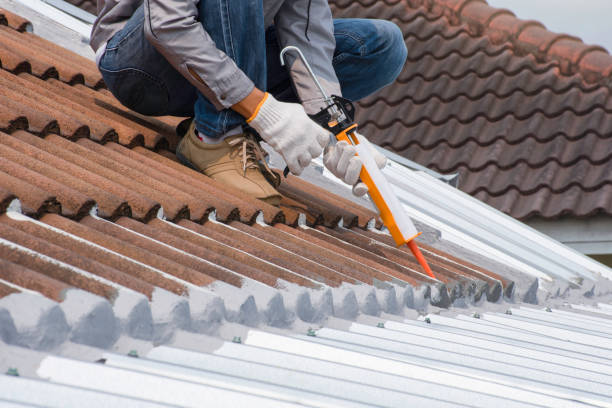
A roof is your home’s first line of defense against the elements, but over time, even the most durable roofs will show signs of wear and tear. Here are key indicators and important considerations to help you determine if a full replacement is necessary.
- Curling or buckling shingles
- Cracked or missing shingles
- Granule loss (shingles shedding granules into gutters)
- Sagging Roof Deck: A sagging appearance or dips in the structure could signal serious issues with the underlying roofing materials.
- Frequent Repairs: If you find yourself constantly patching up trouble spots, it might be more cost-effective in the long run to invest in a full replacement.
- Increased Energy Bills: Poor insulation from a deteriorating roof can lead to higher heating and cooling costs.
Comparing Repair vs Replacement
| Aspect | Repair | Full Replacement |
| Cost | Lower upfront cost | Higher upfront investment |
| Longevity | Temporary solution (1–5 years) | Long-term durability (20+ years) |
| Structural Concerns | Does not address widespread issues | Resolves all underlying problems |
| Aesthetic Appeal | May not fully restore appearance | Gives your home a brand-new look |
Small, isolated issues like minor leaks or damaged flashing can often be resolved with repairs. However, widespread damage or an aging structure typically necessitates replacement.
Benefits of Timely Roof Replacement
- Enhanced Safety: A deteriorating roof can lead to hazards such as water damage, mold growth, or structural instability.
- Improved Energy Efficiency: Modern roofing materials provide better insulation, reducing energy consumption and lowering utility bills.
- Boosted Curb Appeal: A new roof enhances your home’s overall appearance and increases its resale value.
- Peace of Mind: Knowing that your home is fully protected against weather-related risks brings confidence during stormy seasons.
How to Prepare for a Roof Replacement
- Research reliable roofing contractors in your area by looking at reviews and verifying licenses/insurance.
- Obtain multiple quotes to compare pricing and services offered by professionals.
- Choose high-quality materials best suited for your climate and aesthetic preferences (e. g. , asphalt shingles, metal roofing).
- Schedule the project during optimal weather conditions (spring or fall are often ideal).
Steps for Phoenix Commercial Roofing Repairs After Storm Damage
Storms can cause significant damage to your roof, leaving your home vulnerable to leaks, structural issues, and further deterioration. Below are important steps every homeowner should take after a storm to assess and address potential roof damage effectively.
Before climbing onto your roof, inspect it from the ground using binoculars if needed.
- Missing or displaced shingles
- Broken or curled shingles
- Dented metal components (e. g.
- Gutters filled with debris or granules from shingles
Additionally, check for sagging areas on the roofline that could indicate structural weakening.
- Stains or water spots on ceilings and walls
- Damp insulation
- Dripping water or puddles
These signs often indicate that water has penetrated through damaged areas of the roof.
Take photos and videos of any apparent damage you observe, including both interior and exterior issues. Documentation is essential if you plan to file an insurance claim later. Ensure that you capture various angles to provide a comprehensive view of the affected areas.
If there are obvious breaches in your roof (e. g.
- Use a waterproof tarp to cover exposed sections.
- Secure loose materials like flashing with nails or adhesive.
Avoid making extensive repairs yourself as this can void warranties or aggravate existing problems.
Engage a licensed roofing contractor as soon as possible for a thorough inspection and necessary repairs.
| Type of Damage | Examples |
| Hidden Structural Issues | Cracked beams, warped decking |
| Wind Damage | Loose flashing, lifted shingle edges |
| Hail Impact | Pockmarks on shingles, broken tiles |
Ask for an estimate before work begins and ensure they use high-quality materials for any fixes.
- Provide them with photos/videos documenting the damage.
- Request an adjuster’s evaluation.
- Retain receipts for any emergency repairs you’ve made (e. g. , tarps).
Understanding what is covered under your policy will help avoid unexpected costs during repair work.
- Assess overhanging branches that could pose future risks.
- Check gutters and downspouts for clogging due to debris.
Clearing these hazards minimizes further strain on your roofing system.
By addressing potential roofing issues swiftly after storms occur, homeowners can safeguard their property against long-term structural challenges while maintaining their home’s value over time.
The Real Cost of Delaying Necessary Roof Repairs and Why Timely Action Matters
Roof repairs are not something that should be postponed. While it may seem convenient to delay addressing minor issues, procrastination can lead to significant long-term consequences for your property, finances, and safety. In this section, we will explore the financial and structural risks of neglecting roof repairs and why timely action is always the most cost-effective approach.
Compounding Damage Over Time
Roof problems, such as small leaks or missing shingles, rarely stay isolated. When left untreated, these issues can escalate into larger problems that require more extensive (and costly) repairs.
- Leaks Spread: A small leak may only affect a confined area initially but can seep into insulation, drywall, and structural beams if ignored.
- Moisture Damage: Exposure to water can lead to mold growth, wood rot, and even compromise your home’s foundation.
By addressing these issues promptly, you mitigate the risk of more significant structural deterioration.
Financial Implications of Delayed Repairs
- Increasing Repair Costs: A simple patch-up job today may turn into a full roof replacement within months if not addressed.
- Utility Bill Spikes: Damaged roofs allow air to escape or enter your home uncontrollably. This forces heating or cooling systems to work harder, leading to higher energy bills.
- Insurance Challenges: Some insurance policies may deny claims for damages caused by neglecting maintenance. You could find yourself responsible for covering substantial repair costs out-of-pocket.
| Issue | Cost Today | Potential Cost if Delayed |
| Fixing a Small Leak | $150 – $400 | $2,000 – $10,000 (if water damage spreads) |
| Replacing Missing Shingles | $200 – $600 | $7,000 – $15,000 (if full replacement needed) |
| Addressing Mold Growth | N/A | $1,000+ (depending on severity) |
Risks Beyond Finances
- Health Concerns– Water infiltration often leads to mold growth inside ceilings or walls. Mold exposure can cause respiratory problems for you and your family.
- Structural Integrity Risks– Persistent leaks weaken essential roofing elements like wooden joists and beams.
- Decreased Property Value– A damaged roof is one of the first things prospective buyers notice during inspections.
Benefits of Timely Roof Repairs
- Prevents costly emergency repairs
- Improves energy efficiency by maintaining proper insulation
- Ensures peace of mind during severe weather conditions
In summary, while it may seem easier in the short term to delay necessary repairs due to cost concerns or lack of time, this approach carries far greater risks than simply addressing problems immediately. Investing in timely repairs not only saves money but also protects your home’s structure and ensures long-term stability for you and your family.
- How a Commercial Roofing Contractor Phoenix Can Help Protect Your Roof from Harsh Weather Conditions
- Essential Tips from a Commercial Roofing Contractor Phoenix for Long-Lasting Roof Protection
- Top 5 Essential Tips for Phoenix Commercial Roofing Replacements
- 6 Tips for Choosing Commercial Roofing Services Phoenix AZ to Ensure Quality and Reliability
- Choosing the Right Commercial Roofing Contractor Phoenix for Long-Term Protection
- Effective Solutions for Phoenix Commercial Roofing to Ensure Long-Term Durability
- 5 Essential Tips for Choosing the Right Phoenix Commercial Roofing Contractor
- Top Reasons to Choose Phoenix Commercial Roofing Over DIY Projects