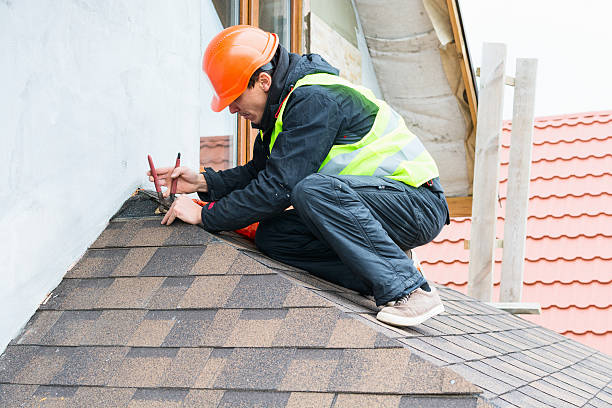
A damaged roof can be a significant challenge for homeowners. Whether caused by natural wear and tear, severe weather, or unexpected accidents, addressing roof damage promptly is essential to maintaining your home’s structural integrity and protecting it from further harm. Below are five essential tips for handling roof replacements effectively.
1. Assess the Extent of the Damage
- Missing, cracked, or curling shingles
- Water stains on ceilings or walls inside your home
- Leaks during rainstorms or pooling water on flat roofs
- Mold, mildew, or algae growth
- Sagging sections of the roof
If you’re unsure about what to look for, consider hiring a professional roofing inspector to conduct a thorough assessment. Their expertise can help identify issues that may not be immediately visible.
2. Choose the Right Roofing Materials
| Material | Durability | Maintenance Requirements | Cost |
| Asphalt Shingles | 20–30 years | Low | Affordable |
| Metal Roofing | 40–70 years | Minimal | Moderate to High |
| Tile Roofing | 50+ years | Low | High |
| Wood Shingles | 20–25 years | Moderate | Moderate |
Discuss these options with a roofing contractor to determine which material best suits your specific needs.
3. Obtain Multiple Estimates
- Labor costs
- Material costs (with brand and warranty details)
- Timeline for project completion
- Clean-up and disposal fees
Be wary of unusually low bids; they may indicate poor-quality workmanship or subpar materials.
4. Verify Contractor Credentials
- Proper licensing as required by local or state regulations
- Adequate insurance coverage (both liability and workers’ compensation)
- Positive reviews and references from previous clients
- Certification from manufacturers for installing specific products
Additionally, check their rating with organizations like the Better Business Bureau (BBB) or online platforms specializing in service reviews.
5. Schedule Routine Maintenance After Replacement
- Inspecting for loose or damaged shingles annually
- Cleaning gutters to prevent water buildup around the edges of your roof
- Removing debris such as leaves or branches regularly
- Scheduling professional inspections every few years
Proactive care ensures that small issues are addressed early before they turn into major problems.
By following these tips, homeowners can successfully navigate the often-overwhelming process of replacing a damaged roof while ensuring quality results that stand the test of time.
Tips for Choosing a Reliable Commercial Roofing Contractor Phoenix
Finding a reliable and trustworthy roofing contractor can be challenging, but it is a vital step for ensuring the longevity and safety of your home. A roof is one of the most important parts of your home’s structure, so selecting the right professional for repairs or replacements requires careful consideration. Below are essential tips to help you find the right contractor for your roofing needs.
1. Do Your Research
- Positive customer reviews and high ratings
- Certifications or memberships in professional associations like the National Roofing Contractors Association (NRCA)
- A permanent business address, website, and phone number
2. Verify Licenses and Insurance
- General liability insurance: Covers any damage caused to your property during the project.
- Workers’ compensation insurance: Protects you from liability if a worker is injured on your property.
Without adequate insurance coverage, you could be financially responsible in case of accidents or damages.
3. Request References
- Quality of workmanship
- Timeliness in completing the job
- Communication throughout the project
References provide valuable insight into a contractor’s reliability and professionalism.
4. Compare Estimates
| Item | Description |
| Materials | Type and quality of materials being used |
| Labor Costs | Costs associated with labor |
| Timeline | Estimated start and completion dates |
| Additional Fees | Any added charges (e.g., permits or disposal fees) |
Avoid automatically choosing the lowest bid without considering other factors such as reputation or material quality.
5. Check Warranty Options
- Duration of coverage (e.g., 10 years for workmanship)
- What is covered under each warranty
- Steps required in case claims need to be filed
Be wary of companies unwilling to provide clear warranty terms in writing.
6. Avoid High-Pressure Sales Tactics
Trustworthy roofing professionals offer advice without using aggressive sales tactics or pressuring homeowners into making hasty decisions. Take time to assess all options before signing any agreements.
Red Flags To Watch Out For
- Lack of verifiable credentials (licenses or insurance)
- Vague contract terms without proper documentation
- Requiring large upfront payments before beginning work
- Negative online reviews highlighting poor communication or incomplete projects
Taking these precautions will help protect you from scams while ensuring your roof gets the attention it deserves.
By committing time toward thorough research and evaluation upfront, you can confidently hire a roofing contractor who meets both your budgetary needs and overall expectations while delivering high-quality results tailored specifically for your home’s requirements.
How to Find Reliable Commercial Roofing Services Phoenix AZ for Your Property
Proper roof maintenance is crucial to safeguarding your home, and one of the best ways to ensure your roof’s performance and longevity is through regular professional inspections. Many homeowners often overlook this essential step, which can lead to costly repairs or premature replacements. Let’s explore why scheduling a professional roof inspection is vital for your home.
Benefits of Professional Roof Inspections
- Early Detection of Issues: Professionals can spot early signs of wear, leaks, or structural issues that may not be obvious to the untrained eye.
- Cost Savings: Addressing minor problems proactively prevents them from escalating into major repairs or full replacement costs.
- Prolonged Roof Lifespan: Routine inspections allow for timely maintenance, extending the life of your roof by years.
- Insurance Compliance: Many insurance policies require regular inspections to validate claims in the event of damage.
When to Schedule a Roof Inspection
- After Severe Weather Events: High winds, hailstorms, or heavy rain can cause significant damage. Schedule an inspection promptly following intense weather conditions.
- Seasonal Changes: Inspect your roof during spring or fall when temperature fluctuations can create stress on roofing materials.
- Before Buying a Home: A pre-purchase inspection ensures there are no hidden roofing issues in a potential property investment.
- Annually or Biannually: Regular yearly checkups keep minor issues from developing into expensive problems.
What a Professional Roof Inspection Covers
| Component | Common Issues Identified |
| Shingles/Tiles | Cracking, curling edges, missing pieces |
| Flashing | Corrosion or gaps around chimneys and vents |
| Gutters and Downspouts | Blockages or improper water drainage |
| Attic/Ventilation System | Mold growth, poor airflow leading to moisture buildup |
| Structural Integrity | Sagging areas indicating support system problems |
These evaluations ensure every part of your roofing system is functioning as intended.
Why DIY Inspections Are Not Enough
While DIY inspections are helpful for identifying obvious problems like missing shingles or loose gutters, they cannot replace the expertise and tools professionals bring. Roofing contractors use advanced equipment such as infrared cameras to detect hidden moisture and thermal irregularities that signal leaks. Moreover, climbing onto a roof without proper safety gear poses serious risks.
How Often Should You Hire a Professional?
- For roofs over 10 years old: Inspect annually.
- For newer roofs (under 10 years): Inspect every 2–3 years unless there’s visible damage.
Regularly scheduling this service ensures small issues don’t reduce the overall durability and effectiveness of your investment.
Taking proactive steps with professional inspections will help identify vulnerabilities before they become significant concerns. This small preventative measure goes a long way in maintaining the integrity and safety of one of your home’s most important structures—its roof.
How Water Damage Affects Roof Longevity: Insights from a Phoenix Arizona Commercial Roofing Company
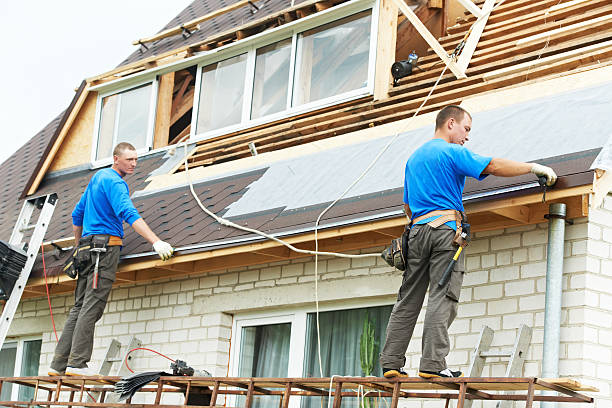
Water damage is one of the most significant threats to the integrity and longevity of your roof. Whether caused by heavy rainfall, clogged gutters, or undetected leaks, water infiltration can lead to a host of issues that compromise both your roof and the overall structure of your home. Understanding how water damage occurs and its effects can help homeowners take preventative measures to protect their investment.
Common Causes of Water Damage to Roofs
- Leaking Flashing or Seals: Flashing around chimneys, vents, and skylights can deteriorate over time, allowing water to seep into vulnerable areas.
- Clogged Gutters: When gutters are blocked with debris like leaves or twigs, rainwater may overflow onto your roof instead of draining properly.
- Worn Roofing Materials: Aging shingles or tiles lose their effectiveness in repelling water, increasing the risk of leaks.
- Ice Dams: During winter months, ice dams form along roof edges when melting snow refreezes. This buildup can force water under shingles.
- Poor Roof Design or Installation: Faulty installation or improper slope design may prevent adequate water drainage.
The Impact of Water Damage on Roof Longevity
- Prolonged exposure to moisture can weaken wooden structures such as rafters and decking beneath the roofing material.
- Rotting wood may eventually lead to sagging areas on your roof.
- Moist environments encourage mold growth, which not only damages materials but also poses health risks for occupants.
- When water infiltrates through a damaged roof, insulation becomes wet and ineffective at regulating temperatures in your home.
- Persistent leaks often result in stains on ceilings or walls and may even ruin drywall over time.
How To Prevent Water Damage
- Schedule regular inspections by a professional roofing contractor to identify potential vulnerabilities early.
- Keep gutters clean and free from debris year-round.
- Install gutter guards or screens if you live in an area with heavy foliage.
- Ensure attic ventilation is sufficient to prevent condensation buildup inside your home during colder months.
- Replace worn-out shingles promptly before they create pathways for moisture infiltration.
| Maintenance Task | Frequency |
| Professional Inspection | Annually |
| Gutter Cleaning | Biannually |
| Addressing Leaks | Immediately |
When Repairs Aren’t Enough
For roofs with extensive water damage or recurring leaks despite maintenance efforts, it might be time for a full replacement rather than patchwork solutions. A professional consultation can help determine whether repair work will suffice or if investing in new materials is necessary.
Understanding these aspects allows homeowners not only to protect their roofs but also ensures extended durability while minimizing long-term costs associated with neglecting essential maintenance tasks related directly back toward ensuring better longevity overall environmentally friendly decisions made upfront regularly implemented practical actions taken responsibly maintained vigilance ensures success
Recognizing the Warning Signs That Indicate It’s Time for a Roof Replacement
1. Aging Roof
The age of your roof is one of the most reliable factors in determining whether it’s time for a replacement. Most roofs have an expected lifespan based on their materials:
| Roofing Material | Average Lifespan |
|———————–|—————————|
| Asphalt Shingles | 20-30 years |
| Metal Roofing | 40-70 years |
| Clay or Concrete Tiles | 50+ years |
| Wood Shakes or Shingles | 25-30 years |
If your roof is nearing or has surpassed its estimated lifespan, it might be time to consider replacing it.
2. Missing or Damaged Shingles
- Cracked, curled, or blistered shingles
- Missing shingles exposing the underlayment
- Granule loss (check gutters for excessive granules)
Damaged shingles can lead to leaks and further structural issues if left unaddressed.
3. Frequent Leaks and Water Damage
- Dark stains on interior ceilings
- Mold growth near walls or in attic spaces
- Water pooling in certain areas
Even small leaks can escalate into significant problems if ignored.
4. Sagging Roof Deck
A sagging roof often signals structural issues caused by water damage or aging materials. If you notice any dips or uneven areas along the plane of your roof, it may require immediate attention.
5. Daylight Visible in Attic
Go up to your attic during daylight hours and check for light seeping through the boards of your roof. This indicates holes or cracks that may need extensive repair—or replacement—depending on their severity.
6. Higher Energy Bills
An inefficient roofing system can impact insulation and ventilation, leading to increased heating and cooling costs. If you’ve noticed higher energy bills without a clear cause, it might be due to poor roofing performance.
When to Call a Professional
If you observe any of these warning signs, contacting a professional roofing contractor is essential. A qualified contractor will perform an inspection and provide expert advice on whether repairs are sufficient or if a full replacement is warranted.
Keep in mind that addressing roofing issues promptly not only minimizes potential damage but also ensures peace of mind as you maintain one of your home’s most critical components.
What to Know About Requesting Product Samples When Choosing Roofing Materials
Selecting the right roofing material for your home is a critical decision. With numerous options available—each with unique features, costs, and aesthetic appeals—it’s vital to make an informed choice. Requesting product samples is one of the most effective ways to ensure you’re selecting materials that meet your needs and preferences. Below, we’ll explore key considerations, benefits, and tips for requesting samples when choosing roofing materials.
Why Request Roofing Material Samples?
- Visual Accuracy: Online photos and catalog images may not accurately represent the color or texture of materials. Samples allow you to see them in natural light and compare them against your home’s exterior.
- Texture Evaluation: Handling the sample lets you assess its feel and sturdiness. This can help determine whether the material has the quality and durability you expect.
- Compatibility Testing: By comparing samples against siding, brickwork, gutters, or trim on your property, you can ensure visual harmony in your home’s overall design.
- Confidence in Investment: Roofing projects involve significant costs. Seeing and feeling materials firsthand can boost confidence in your final selection.
Key Features to Evaluate in Roofing Material Samples
| Feature | Importance |
| Color | Look for shades that complement your exterior while considering long-term trends. |
| Weight | Heavier materials often indicate higher durability but may require additional structural support. |
| Durability | Check for resistance to weather elements like rain, wind, hail, or UV rays. |
| Texture | Assess whether it aligns with your aesthetic preferences (smooth vs textured finishes). |
| Eco-Friendliness | Some materials offer sustainable properties like recyclability or thermal efficiency. |
Tips for Getting the Most Out of Product Samples
- Request Multiple Options: Don’t limit yourself to just one type of material or brand—explore several options.
- Test Under Different Lighting: Observe samples outdoors during various times of day (e.g., morning light versus afternoon sun) for accurate color evaluation.
- Match with Your Neighborhood Aesthetic: Check whether specific colors or styles match neighborhood guidelines or enhance curb appeal.
- Ask Questions About Longevity: Speak with suppliers about warranties and how long specific products are likely to last under local climatic conditions.
- Consider Climate Suitability: Ensure that materials can withstand weather patterns common in your area (e.g., heavy snow or intense sunlight).
Where to Source Roofing Material Samples
- Local roofing contractors often maintain sample kits from their preferred manufacturers.
- Manufacturer websites frequently provide online forms through which consumers can order small-scale samples directly.
- Home improvement stores sometimes stock physical displays where you can examine various textures and finishes.
By properly leveraging these resources and thoroughly evaluating options via product samples, homeowners can select roofing materials that align with both functional needs and personal style preferences while avoiding costly missteps in their investment decision-making process.
Avoiding Predatory Storm Chasers: Protecting Yourself When Hiring a Roofing Contractor
Hiring a reliable roofing contractor is crucial, especially after severe weather events. Unfortunately, “storm chasers”—unscrupulous contractors who exploit homeowners after storms—can leave you with subpar or incomplete work. Protect yourself by understanding their tactics and following these steps to hire a trustworthy professional.
Who Are Storm Chasers?
Storm chasers are contractors who travel to areas recently hit by storms, offering quick and often discounted repair services. While not all contractors operating in this manner are dishonest, many prioritize quick profits over quality work. They may use high-pressure sales techniques, perform rushed repairs, or vanish once paid.
Red Flags: How to Identify Predatory Contractors
- Unsolicited Offers: If someone knocks on your door uninvited shortly after a storm, proceed with caution.
- Lack of Local Presence: Storm chasers often lack an established local office or permanent address.
- No Licensing or Insurance: Reputable contractors will have the required licenses and insurance for your area.
- High-Pressure Sales Tactics: Beware of those urging you to sign contracts on the spot or claiming their offer is time-sensitive.
- Requests for Upfront Payment: Legitimate contractors typically don’t require full payments before starting work.
Tips to Protect Yourself
- Request proof of licensing and insurance specific to your state.
- Check if the contractor is listed with local trade organizations or the Better Business Bureau (BBB).
- Look online for reviews from previous clients.
- Ask for references from homeowners who have used their services in the past 6–12 months.
- A reputable contractor should provide a detailed estimate that includes material costs, labor fees, project timeline, and warranty information.
- Some storm chasers may claim they can “handle your insurance claim” on your behalf but may provide inaccurate information or misrepresent coverage details.
- A standard practice is paying an initial deposit (typically 10%-30%) once you’ve signed the contract. Full payment should only be made after satisfactory completion of work.
Questions to Ask Prospective Contractors
| Question | Why It’s Important |
| Are you licensed and insured? | Ensures compliance with local laws and protects you financially in case of accidents. |
| Do you have experience in this area? | Local knowledge ensures familiarity with building codes and weather challenges specific to your region. |
| Can I see examples of recent work? | Provides insight into the quality of their craftsmanship. |
| What warranties do you offer? | Ensures you’re covered if issues arise post-installation. |
After Signing the Contract
- Ensure all communication is documented in writing.
- Keep track of progress regularly during the repair process.
- Save copies of receipts and contracts for future reference.
By staying informed and vigilant when hiring roofing professionals, you’ll minimize risks associated with storm chasers while ensuring quality repairs that stand up over time.
- How a Commercial Roofing Contractor Phoenix Can Help Protect Your Roof from Harsh Weather Conditions
- Essential Tips from a Commercial Roofing Contractor Phoenix for Long-Lasting Roof Protection
- Top 5 Essential Tips for Phoenix Commercial Roofing Replacements
- 6 Tips for Choosing Commercial Roofing Services Phoenix AZ to Ensure Quality and Reliability
- Choosing the Right Commercial Roofing Contractor Phoenix for Long-Term Protection
- Effective Solutions for Phoenix Commercial Roofing to Ensure Long-Term Durability
- 5 Essential Tips for Choosing the Right Phoenix Commercial Roofing Contractor
- Top Reasons to Choose Phoenix Commercial Roofing Over DIY Projects